Chiang Rai's areas, mapped.
An approximate look at where the City Centre, Rim Kok, Central Plaza/Robinson and Ban Du/Mae Fah Luang University sit around the city.
Chiang Rai area guides
Compare each area's vibe and rent below, or see the full Chiang Rai areas guide.
Why Chiang Rai
Chiang Rai is Thailand's northernmost major city and the gateway to the Golden Triangle, where the Thai, Myanmar and Lao borders meet. It is best known for Wat Rong Khun (the White Temple), Wat Rong Suea Ten (the Blue Temple), Baan Dam (the Black House) and the surrounding highland coffee country around Doi Chang and Doi Tung. Life here is slower, cooler and considerably cheaper than Chiang Mai, three hours south, with a much smaller foreign community and thinner nomad and coworking infrastructure. It suits retirees, long-stay travellers and value-focused expats drawn to authentic northern Thai culture, mountain scenery and a genuinely local pace, more than digital nomads or families needing a wide choice of international schools.
Things to do in Chiang Rai - White Temple, Golden Triangle & more →
 Photo: Peggy Anke / Pexels
Where to live
Most foreigners settle in or near the city centre, around the clock tower and night bazaar, for walkability, restaurants and the widest rental choice. Rim Kok, along the Kok River north of the centre, offers a quieter, greener setting popular with longer-term residents. The area near Central Plaza suits those who want mall convenience and some newer housing stock, while Ban Du and other outlying pockets trade a short drive for lower rent and more space. Purpose-built condominiums are scarce in Chiang Rai — unlike Chiang Mai, most rentals here are apartments or houses, so modern high-rise living is a narrower search.
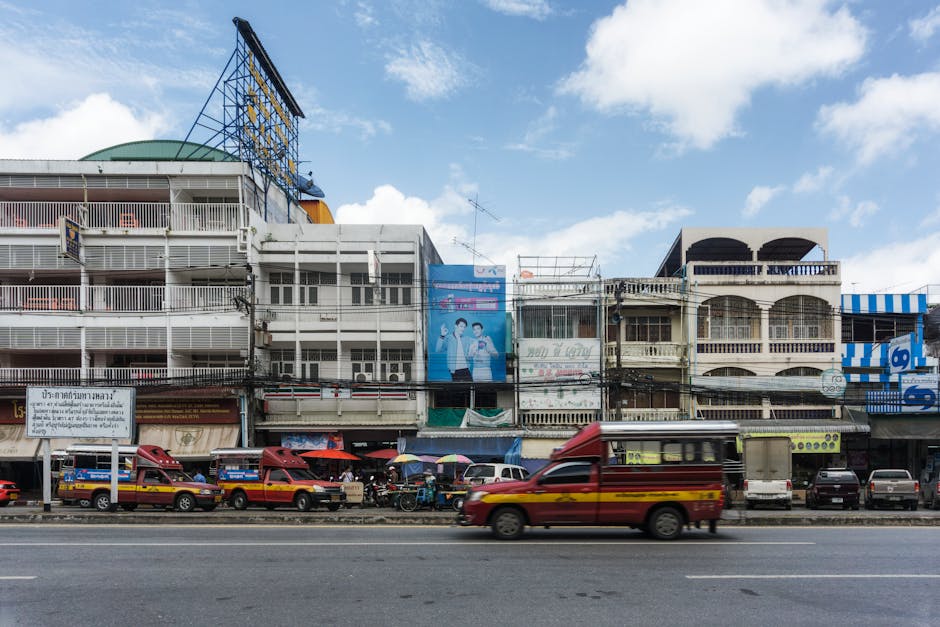 Photo: 龔 月強 / Pexels
Getting around
Chiang Rai has no BTS, MRT or rail line — residents get around by car, motorbike, songthaew (shared truck) or ride-hailing apps, with the compact city centre walkable on foot. Mae Fah Luang–Chiang Rai International Airport (CEI) sits close to town, roughly 10–15 minutes from the centre, with regular flights to Bangkok and other domestic routes. Chiang Mai is about three hours by road (or a short flight), the Mae Sai border crossing into Myanmar is roughly an hour north, and the Chiang Khong crossing into Laos is about two hours east — making Chiang Rai a practical base for regional visa runs and Golden Triangle day trips.
Full Chiang Rai transport guide — songthaews, car rental & Golden Triangle day trips →
 Photo: jhon alexis / Pexels
Cost of living & rent
Chiang Rai is one of the cheapest cities in Thailand where a foreigner can live well — typically 10–20% below Chiang Mai. A lean, local lifestyle for a single person runs roughly 22,000–35,000 THB a month; a comfortable mid-expat or retiree lifestyle runs roughly 35,000–60,000 THB; and a premium or family lifestyle with international school and a car starts around 90,000 THB and climbs well beyond that. Furnished one-bedrooms range from about 6,000 THB in budget-local areas like Ban Du to 8,000–15,000 THB in nicer riverside or central spots — among the lowest rents of any Thai city with real expat infrastructure.
 Photo: Optical Chemist / Pexels
Schools
International schooling in Chiang Rai is limited compared with Chiang Mai or Bangkok, with only three schools serving the foreign and affluent Thai community: Chiang Rai International School (CRIS, Rimkok, day & boarding, Kindergarten-Grade 12), Chiang Rai International Christian School (CRICS, Ban Du, Kindergarten-Grade 12), and Oasis Himalayan International School (OHIS, early years & primary, expanding into secondary). Families who need a wide choice of curricula, extracurriculars or a larger expat peer group for their children often choose Chiang Mai as their base instead and visit Chiang Rai, rather than the reverse. Local Thai schooling and homeschooling are the more common paths for long-stay families who do settle here.
Chiang Rai international schools — CRIS, CRICS & Oasis Himalayan fees →
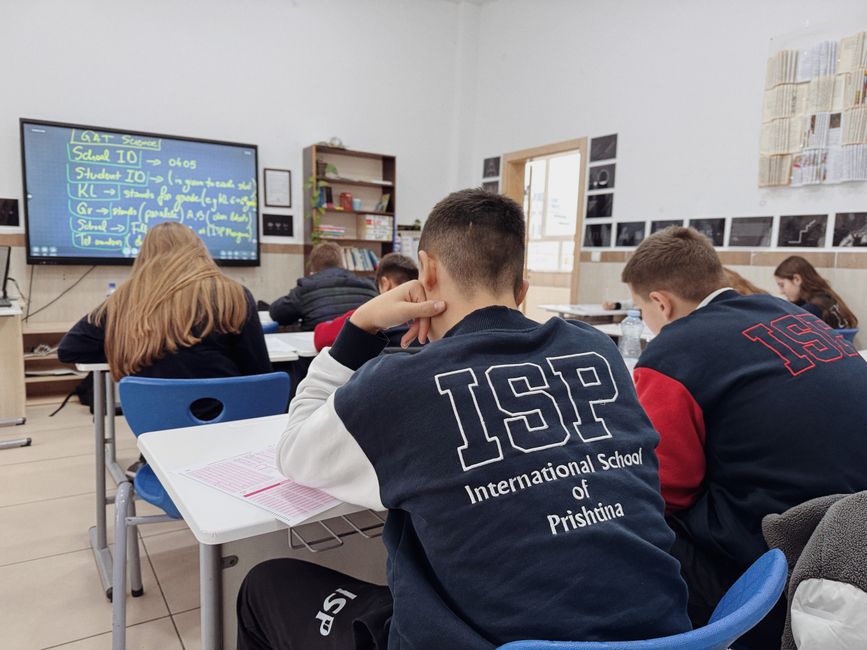 Photo: This And No Internet 25 / Pexels
Universities & higher education
Chiang Rai is home to Mae Fah Luang University (MFU), a research-oriented public university on an 800-hectare hillside campus known as the "University in the Park", and Chiang Rai Rajabhat University (CRRU) on Phaholyothin Road in Ban Du. Between them they anchor a real student population that shapes rental demand and everyday amenities around both campuses. See the full guide for campus locations, founding history and official links.
 Photo: Min An / Pexels
Childcare & nurseries
Childcare in Chiang Rai runs on three tracks: early-years classes at the city's three international schools — Chiang Rai International School (CRIS, Rimkok), Chiang Rai International Christian School (CRICS, Ban Du) and Oasis Himalayan International School (OHIS) — a small number of bilingual nurseries around the city centre, and plentiful, very affordable Thai kindergartens (anuban) found in every neighbourhood. Nannies are common and affordable for babies and toddlers. Ask any setting about its burning-season (roughly February-April) indoor air-quality policy before enrolling.
 Photo: RDNE Stock project / Pexels
Healthcare
Chiang Rai is served by a mix of public and private hospitals offering solid routine, urgent and emergency care, including English-speaking staff at the larger private facilities. For complex, specialist or high-acuity treatment, most residents refer to the larger hospital networks in Chiang Mai, about three hours by road, or fly to Bangkok. Comprehensive private health insurance is affordable here and worth arranging before you move, particularly for retirement-visa requirements.
Full Chiang Rai healthcare guide — hospitals, costs & insurance →
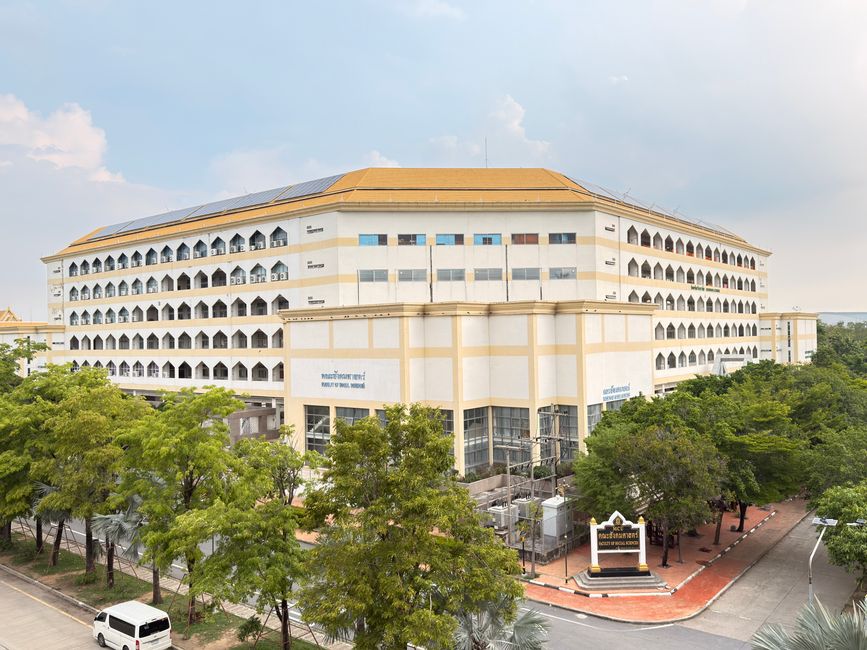 Photo: VS N / Pexels
Relocating to Chiang Rai
Moving to Chiang Rai means choosing a visa, an area and a home, then setting up banking, healthcare and utilities — most newcomers start in or near the city centre for services and rental choice before deciding whether Rim Kok, Central Plaza or a quieter outlying area suits them better. The one caveat every prospective resident should budget for is the burning season, roughly February through April, when agricultural and cross-border burning pushes air quality to among the worst in the world for weeks at a time — often rivalling or exceeding Chiang Mai. Long-stayers typically rely on retirement, marriage, DTV or LTR visas, and the Mae Sai and Chiang Khong border crossings make visa runs to Myanmar and Laos straightforward.
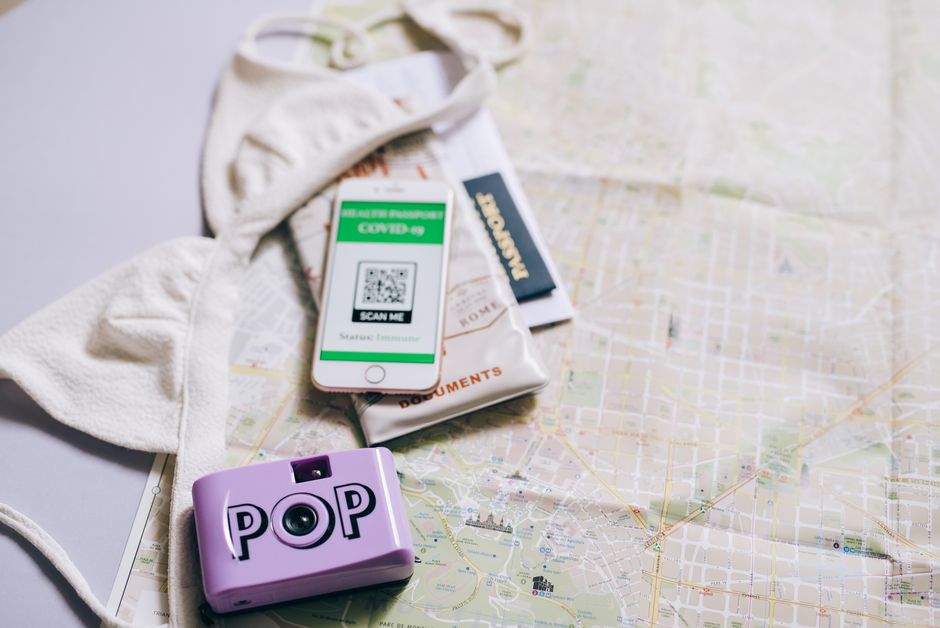 Photo: Leeloo The First / Pexels
Safety
Chiang Rai is broadly safe: violent crime against foreigners is uncommon, and areas like Central Plaza and Rim Kok are quiet and well suited to families and retirees. The real risks are ordinary ones — a small set of avoidable tourist scams around the temples and border markets, and, by a wide margin, road accidents on motorbikes — plus two genuine seasonal factors worth planning around: the February–April burning season and Kok River flood risk in the rainy season — see the full flood risk guide for which areas are most exposed. Living near the Golden Triangle and the Myanmar and Laos border crossings is not a personal-safety issue for residents on the Thai side.
 Photo: Stephen Leonardi / Pexels
Retiring in Chiang Rai
Chiang Rai suits retirees drawn to cooler mountain scenery, a slower pace than Chiang Mai and proximity to the Golden Triangle, at lower cost — with the trade-off of a pronounced February–April burning season and a smaller retiree community than the bigger northern or coastal hubs. Kasemrad Hospital Chiang Rai and Overbrook Hospital cover private care, with Chiangrai Prachanukroh Hospital as the public option.
Full Chiang Rai retirement guide — areas, costs & healthcare →
 Photo: Quang Nguyen Vinh / Pexels
Emergency Services
Save these before you need them: 191 police, 1669 ambulance, 199 fire, and 1155 for the English-speaking Tourist Police. Chiangrai Prachanukroh (public) and Overbrook Hospital (private) are the main 24-hour emergency options in the city.
 Photo: RDNE Stock project / Pexels
Restaurants & dining
Chiang Rai's dining scene centers on the Night Bazaar and the streets around Wat Phra Kaew and the clock tower, where northern Thai staples (khao soi, sai ua sausage, nam prik ong) sit alongside a growing number of cafes and Western-friendly restaurants aimed at the town's slower, more laid-back pace than Chiang Mai. The Saturday Walking Street market adds a second cluster of food stalls each week. Expats generally cook more at home here than in bigger expat hubs, supplementing with the fresh produce and Friday-morning farmers' market near the clock tower.
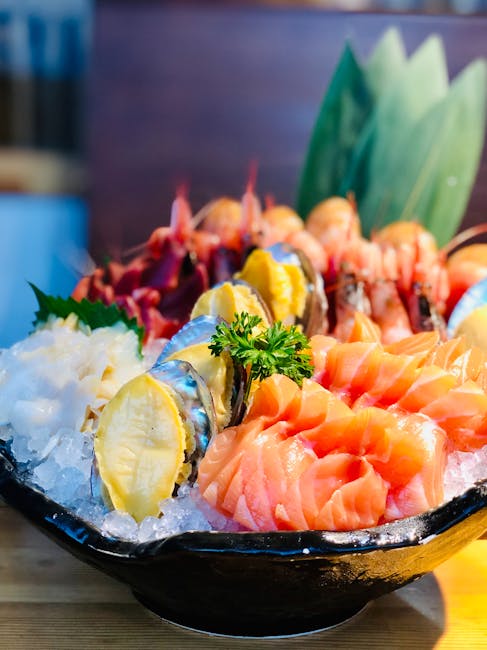 Photo: 奥尼尔 孙 / Pexels
Banking & money
Bangkok Bank, Kasikorn (K-Bank), Siam Commercial Bank and Krungthai all keep branches in central Chiang Rai, mainly along Thanalai Road and near the bus terminal, and each offers English-language mobile apps once an account is open. Non-immigrant visa holders can generally open a local account with a passport, visa and a letter from an employer, school or the immigration office confirming address — requirements shift branch to branch, so it pays to call ahead or bring a Thai-speaking friend on the first visit. Cash remains common outside the centre, so most long-stay residents keep both a Thai debit card and a foreign card as backup.
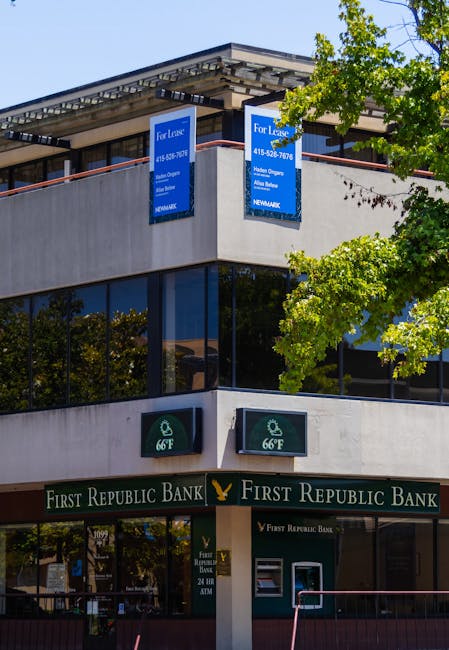 Photo: Robert So / Pexels
Things to do
Chiang Rai's biggest draws are its temples: the all-white, mirror-inlaid Wat Rong Khun (White Temple), the deep-blue Wat Rong Suea Ten (Blue Temple), and the black-lacquered art collection of Baan Dam (the Black House). Beyond the temple circuit, the Golden Triangle where Thailand, Laos and Myanmar meet is a popular day trip, along with the Mae Fah Luang Art & Culture Park and the hillside gardens of the Doi Tung Royal Villa. The pace is noticeably quieter and less touristed than Chiang Mai, which is part of the appeal for long-stay residents.
 Photo: Kirandeep Singh Walia / Pexels
Nightlife
Chiang Rai's nightlife is low-key by design: the Night Bazaar and clock tower area host a handful of bars and live-music venues, and the weekly Saturday Walking Street brings out street-food stalls, local craft vendors and casual drinking spots until around 10-11pm. There is no real club scene here — residents who want that typically make the roughly three-hour drive to Chiang Mai. Most evenings out revolve around a slow dinner, a local beer at a riverside bar, or the night market itself.
 Photo: 木 灬 / Pexels
Airport transfers
Chiang Rai International Airport (CEI) sits roughly 8km north of the city centre and handles domestic flights from Bangkok plus a small number of regional connections. Metered taxis and airport minivans cover the short run into town in well under 30 minutes, and several hotels arrange pickup directly. Because CEI is small and uncongested compared with Chiang Mai (CNX), transfer times are consistently short and predictable — a genuine quality-of-life advantage for residents who travel often.
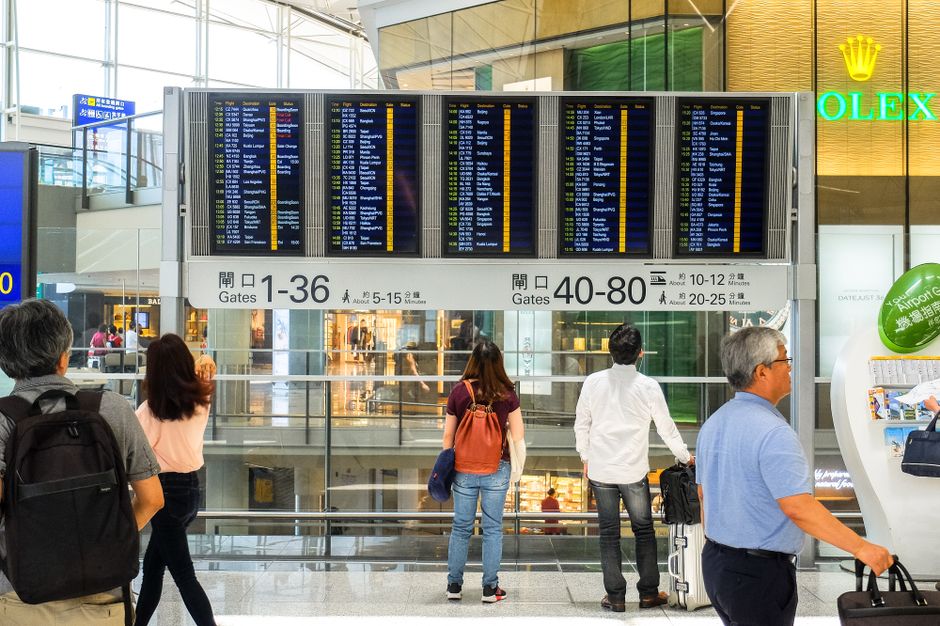 Photo: AirTeo | Air Travel / Pexels
Expat community
Chiang Rai's foreign community is small and close-knit compared with Chiang Mai or Bangkok — mostly retirees, teachers at the international schools, and a handful of long-stay digital nomads drawn by the lower cost of living and slower pace. Facebook groups covering Chiang Rai expats are the main hub for local recommendations, rentals and meetups, and informal coffee mornings and dinners are how most newcomers find their footing. Anyone wanting a larger, more built-out expat infrastructure — clubs, regular events, bigger social calendar — will generally find Chiang Mai a better fit.
 Photo: Kampus Production / Pexels
Driving license
Foreign residents apply for a Thai driving license at the Chiang Rai Land Transport Office, bringing a passport, non-immigrant visa, a Thai address certificate (from immigration or a rental contract), a medical certificate, and — for a first Thai license — an international driving permit or existing foreign license to convert. The office runs a short written test, a reaction/vision check, and sometimes a practical driving test for applicants without a convertible foreign license. Booking online in advance through the DLT queue system saves a significant amount of waiting time.
 Photo: USMAN KASALI / Pexels
Internet & SIM cards
AIS, dtac and True all keep shops in central Chiang Rai and along the road toward the Night Bazaar, offering prepaid tourist SIMs and longer-term plans once biometric registration is completed (Thailand's NBTC now requires facial-verification registration for SIM purchases). Home fibre broadband from the same three carriers reaches most in-town neighbourhoods and newer developments, though coverage can thin out in more rural areas toward the mountains — worth confirming fibre availability at a specific address before signing a lease.
 Photo: Expect Best / Pexels
Utilities setup
Electricity in Chiang Rai runs through the Provincial Electricity Authority (PEA) and water through the Provincial Waterworks Authority (PWA), both of which can typically be set up in a tenant's name with a passport, rental contract and a deposit, or left in the landlord's name for a simpler month-to-month arrangement. Bills are commonly paid at 7-Eleven, via bank apps, or through PEA/PWA's own mobile apps. Landlords in smaller or older buildings sometimes still handle utilities themselves and pass through the cost — confirm the arrangement before signing a lease.
 Photo: Paul Bisseker / Pexels
Motorbike & scooter rental
Chiang Rai has no BTS, MRT or rail line, so a scooter is the default way to get around. Real, named shops around Jetyod Road and the city centre -- ST Motorcycle Rental, Nice Bikes, PP MotorBike Chiangrai, J.B. Car & Motorbike Rental Chiangrai, B-Rider and Chiang Rai Big Bike Company for larger machines -- offer daily and monthly rates. Never leave your passport as a deposit; a photocopy plus cash is standard.
Shopping & markets
Everyday shopping in Chiang Rai centres on Big C and Tesco Lotus hypermarkets, the Central Plaza Chiang Rai mall for a wider mix of retail and dining, and the daily fresh market near the clock tower for produce, meat and local ingredients. The Saturday Walking Street and the Night Bazaar add weekly markets for clothing, crafts and street food. Selection is noticeably smaller than Chiang Mai or Bangkok, so residents who need specialty or imported goods often plan occasional shopping trips to Chiang Mai.
 Photo: Mak_ jp / Pexels
Pharmacy & medicine
Boots and Watsons both have pharmacy counters at Central Chiangrai, and independent green-cross pharmacies are common around the old town. All three of Chiang Rai's hospitals -- Chiangrai Prachanukroh (public), Overbrook (private, JCI-accredited) and Kasemrad Sriburin (private) -- run English-friendly pharmacies for anything prescription-only or controlled.
 Photo: cottonbro studio / Pexels
Elderly & nursing care
Chiang Rai has two established private residential elder-care facilities: Phutien Care Home and Baan Lalisa's Chiang Rai branch, both offering 24-hour nursing, rehabilitation and dementia-care programmes. Chiangrai Prachanukroh Hospital covers acute geriatric and rehabilitation needs. For higher-acuity dementia care or a wider range of English-speaking options, Chiang Mai, roughly 2-3 hours south, has a much larger established cluster.
 Photo: Jsme MILA / Pexels
Food & grocery delivery
GrabFood, LINE MAN and foodpanda for restaurant delivery, plus GrabMart and pandamart for quick grocery top-ups — coverage, fees, delivery times and where it thins out in Chiang Rai.
Thai cooking classes
Akha hill-tribe cooking classes unique to this region, alongside organic-farm and market-tour formats -- named schools, dishes you can learn and typical prices in baht.
Laundry & dry cleaning
Spinomad Laundry Cafe in the old town is the best-reviewed option (4.4/5 on Tripadvisor), alongside three Otteri Wash & Dry branches near the Night Bazaar, Ratchaphat and Mae Fah Luang University -- with honest notes on the pricing and delivery gaps we couldn't verify.
Chiang Rai Living Summary
Editorial analysis compiled and periodically refreshed by BAANLYY’s research team — not a live data feed.
- Is White Temple tourism still growing?Yes. Wat Rong Khun (the White Temple) now draws more than one million visitors a year, and from 1 January 2026 the temple doubled its foreign-visitor admission fee to 200 THB to fund maintenance and crowd-management as numbers keep climbing — a sign the site's pull on regional tourism is still strengthening rather than plateauing.
- Is the Golden Triangle border-trade corridor still expanding?Yes. The Fourth Thai-Lao Friendship Bridge at Chiang Khong, opened in 2013 and linked to the AH3/R3A highway into Laos and China, has driven a steady rise in cross-border trade volume, and Chiang Khong's 2015 Special Economic Zone designation continues to pull logistics and trading activity toward the district.
- How is the highland coffee and agri economy holding up?Strong and maturing. Doi Chang and Doi Tung's Arabica coffee, planted from the late 1980s to replace opium poppy under royal development projects, has grown into an internationally recognized specialty-coffee industry — Doi Tung project-area household income rose roughly twenty-fold between 1988 and 2018 — giving the highlands north of the city a durable, tourism-adjacent economic base.
- Who does Chiang Rai suit best right now?Retirees, long-stay travelers and value-focused expats who want authentic northern Thai culture, mountain and Golden Triangle scenery, and low living costs, and who can plan around the February-April burning season and a thinner private-healthcare and international-school base than Chiang Mai or Bangkok.
Analysis last reviewed July 2026.
Chiang Rai's Development Timeline
- 1987-88Doi Tung Development Project beginsPrincess Srinagarindra (the Princess Mother) arrives at Doi Tung in January 1987 and launches the Mae Fah Luang Foundation's flagship project in 1988, replacing opium poppy cultivation across 29 highland villages with coffee, macadamia and forestry.
- 1992Chiang Rai's international airport opensThe city's airport opens on 5 August 1992, later renamed Mae Fah Luang-Chiang Rai International Airport (CEI) in 2010 in honor of the Princess Mother, and has been managed by Airports of Thailand since 1998.
- 1997Wat Rong Khun (White Temple) reconstruction beginsThai artist Chalermchai Kositpipat begins rebuilding the dilapidated temple on the site into the all-white, mirror-inlaid complex that would become Chiang Rai's most photographed landmark.
- 2013Fourth Thai-Lao Friendship Bridge opensThe bridge over the Mekong at Chiang Khong opens to the public on 11 December 2013, completing the Asian Highway 3 route and linking Chiang Rai directly to Laos and, via the R3A, southern China.
- 2015Chiang Khong becomes a Special Economic ZoneThailand designates Chiang Khong district a Special Economic Zone, accelerating cross-border logistics and trade investment around the Golden Triangle corridor.
- 2026White Temple raises foreign admission feeFrom 1 January 2026, Wat Rong Khun doubles its foreign-visitor entry fee to 200 THB to fund maintenance and visitor-management upgrades as annual visitor numbers pass one million.
Frequently asked
Ready to explore Chiang Rai?
Learn the budget, then talk to us about relocating.
Sources & References
- Wat Rong Khun - Wikipedia
- Chiang Rai's White Temple Doubles Admission Fee for Foreign Tourists - Khaosod English
- Fourth Thai-Lao Friendship Bridge - Wikipedia
- Golden Triangle Special Economic Zone - Wikipedia
- Doi Tung Development Project - Mae Fah Luang Foundation
- Chiang Rai International Airport - Wikipedia
Primary and official sources are cited above. Government rules, fees and procedures in Thailand change over time and vary by office; always confirm current requirements with the relevant authority before relying on them. BAANLYY never takes paid placement in editorial content.
General information and indicative pricing, not legal, tax, immigration or financial advice. Hero photograph via Pexels. Confirm current details with official sources, individual listings or licensed professionals.