Phuket's areas, mapped.
Tap any pin to open that area's full guide -- rent, beaches, transport, schools and hospitals.
Phuket area guides
Phuket lifestyle guides
Why Phuket
Phuket is Thailand's largest island and its premier resort-and-relocation destination — a place where a long-stay lifestyle of beaches, marinas, golf, international schools and world-class private hospitals meets one of Asia's deepest pools of foreign residents. It draws retirees, remote workers, families, executives and investors with year-round sun, freehold condo ownership for foreigners, and an international infrastructure that few beach destinations anywhere can match.
 Photo: Leon Huang / Pexels
Beaches & areas
Phuket is best understood area by area. The west coast runs from buzzy Patong through relaxed Karon and Kata to the boutique luxury of Surin and the upscale Bang Tao hub, while the south's Rawai offers the island's best long-stay value and Phuket Town anchors real-city life inland. Each area page covers who it suits, indicative rents, beaches, getting around, schools, hospitals, lifestyle and investment.
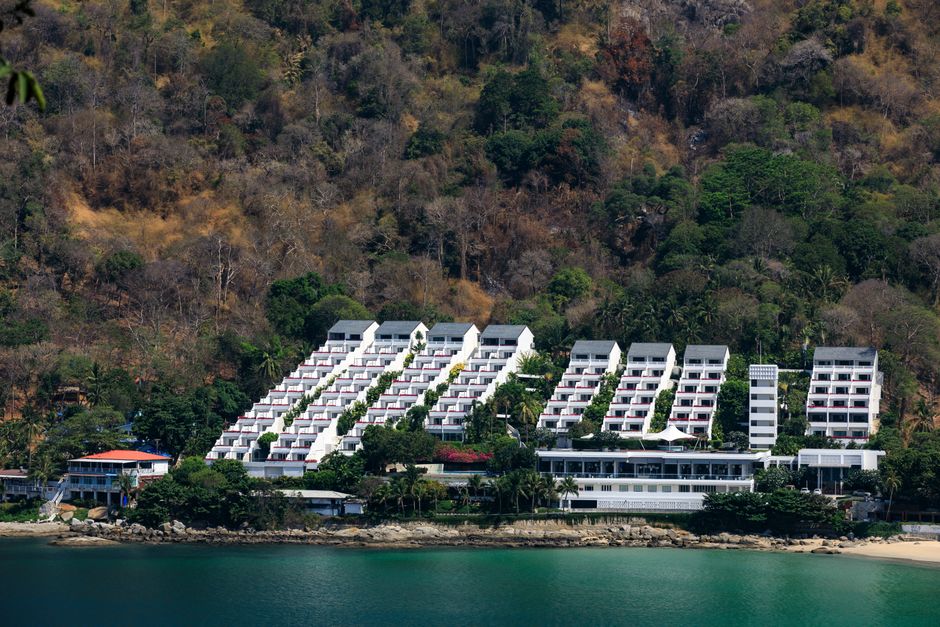 Photo: Vladyslav Dushenkovsky / Pexels
Getting around
Phuket has no rail or metro — life on the island runs on cars, scooters, taxis, ride-hailing (Grab, Bolt) and local songthaews, with a smart-bus line along the west coast. Phuket International Airport (HKT) sits in the north near Bang Tao and connects the island directly to Bangkok, Asia and beyond. Where you live shapes your airport transfer: 20–30 minutes from the northwest beaches, closer to an hour from the southern tip.
 Photo: Markus Winkler / Pexels
Cost of living & rent
Phuket spans a wide price range — from the island's best value at Rawai and Phuket Town to premium northwest addresses at Surin and Bang Tao. Long-term condo rents start around ฿8,000–15,000 for a studio inland and climb past ฿100,000 for luxury sea-view villas, with everyday costs sitting comfortably below most Western cities. Use our cost-of-living guide and calculators to model a realistic monthly budget.
 Photo: Sergey Okhrymenko / Pexels
Investment potential
Phuket's property market is driven by tourism, relocation and a continuous pipeline of branded residences and pool villas, concentrated in the northwest around Bang Tao, Laguna and Surin. Foreigners can own condos freehold within each building's 49% quota; villas are typically leasehold or held through a Thai company. Strong holiday-let demand supports rental yields, but structure and due diligence matter — run the numbers first.
 Photo: Vladyslav Dushenkovsky / Pexels
Healthcare & schools
Phuket is a medical-tourism hub, led by Bangkok Hospital Phuket and a cluster of private and public hospitals in and around Phuket Town. International schools — including UWC Thailand, the British International School Phuket, QSI and others — concentrate in the centre and northwest, which is why relocating families weigh school catchment heavily when choosing an area.
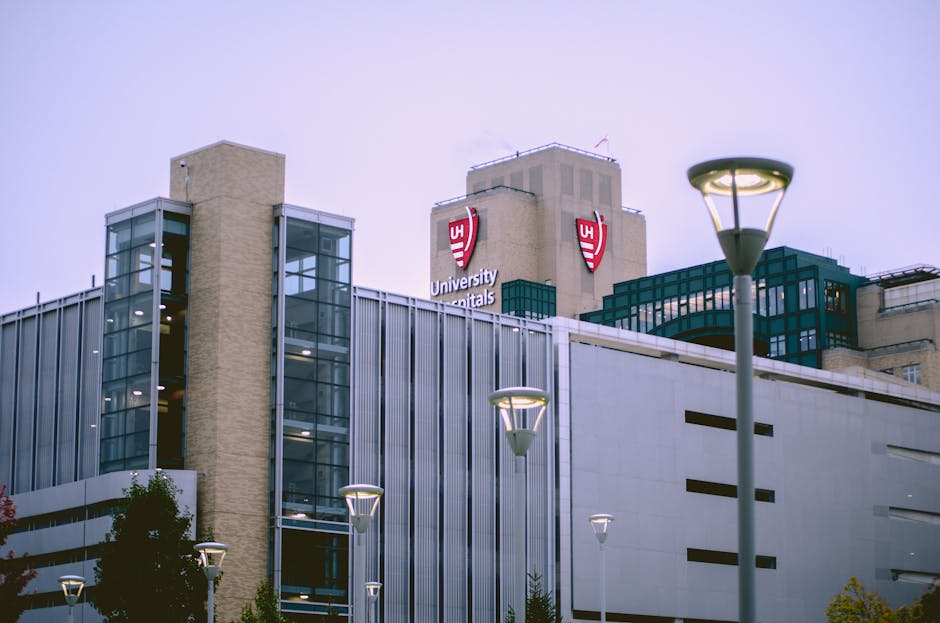 Photo: Jonathan Meyer / Pexels
Relocating to Phuket
Moving to Phuket means choosing a visa, an area and a home, then handling banking, healthcare, schooling and shipping. Most newcomers pick their area around lifestyle and school run rather than transit — the northwest for families and luxury, the south for value and community, the town for convenience. Our relocation and visa guides walk through it step by step.
 Photo: cottonbro studio / Pexels
Notable condo developments
From beachfront branded residences at Kamala and Surin to value-focused city condos in Phuket Town, our Phuket condo guides cover the island's most notable developments area by area — real developer, completion year, unit count, amenities and indicative rents, each linked to its parent area guide.
 Photo: Keegan Checks / Pexels
Things to do
Beyond the beach, Phuket rewards exploring: sunset views from the 45-metre Big Buddha above Chalong, Old Phuket Town's Sino-Portuguese shophouse streets and weekend walking market, temples like Wat Chalong, day trips by longtail or speedboat to Phi Phi, James Bond Island and the Similans, and an evening scene running from Bangla Road's neon strip to quiet beach-club sundowners in Bang Tao and Kamala.
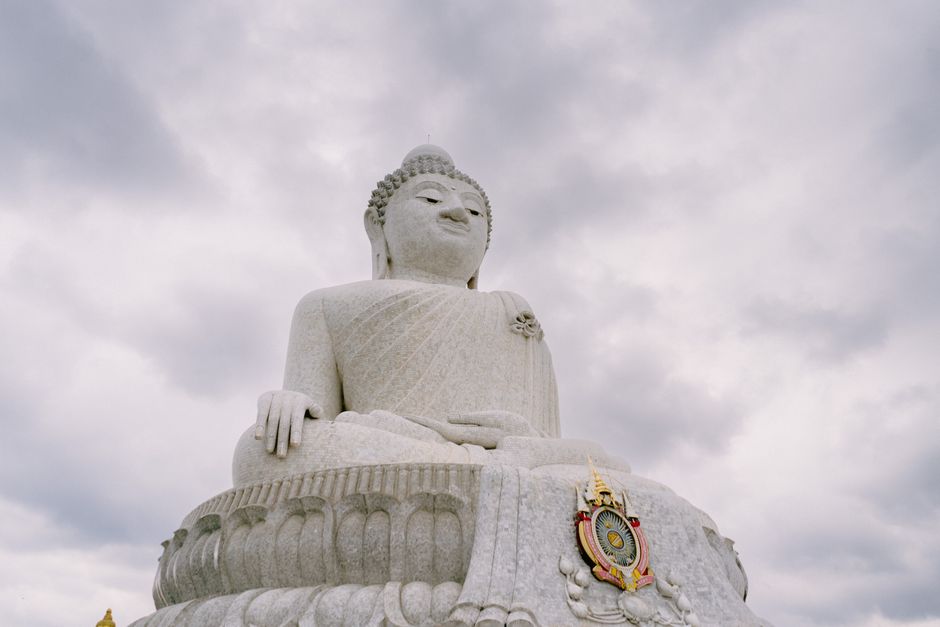 Photo: Dee Onederer / Pexels
Safety
Phuket is generally safe for residents and visitors, but its risk profile is specific: rip currents claim lives most monsoon seasons, especially on Patong, Kamala and Karon during the May-October green season when red flags mean stay out of the water; motorbike accidents are a leading cause of visitor injury, so a proper licence, helmet and caution on the island's steep coastal roads matter; and the usual scam and petty-theft awareness rounds out a manageable picture. Save 191 police, 1669 ambulance, 199 fire and 1155 Tourist Police.
 Photo: Vladyslav Dushenkovsky / Pexels
Banking
Every major Thai bank keeps branches across Phuket Town, Patong, Chalong and the northwest resort corridor, with Kasikornbank, SCB and Bangkok Bank generally the most foreigner-friendly first stops for DTV, LTR, retirement and work-permit holders. Expect passport, visa and proof-of-address documents at account opening, with PromptPay and mobile banking apps now standard for everyday bills, rent and transfers.
 Photo: Steve Pancrate / Pexels
Visas & housing
Phuket hosts every major long-stay visa route side by side -- the DTV for digital nomads, LTR for high earners and retirees, standard retirement visas for over-50s, the Thailand Elite/Privilege membership, and marriage and education visas -- each mapped to a different rental pattern across the island, from northwest condos favoured by LTR executives and families to Rawai and Chalong's longer, cheaper leases popular with retirees and DTV holders.
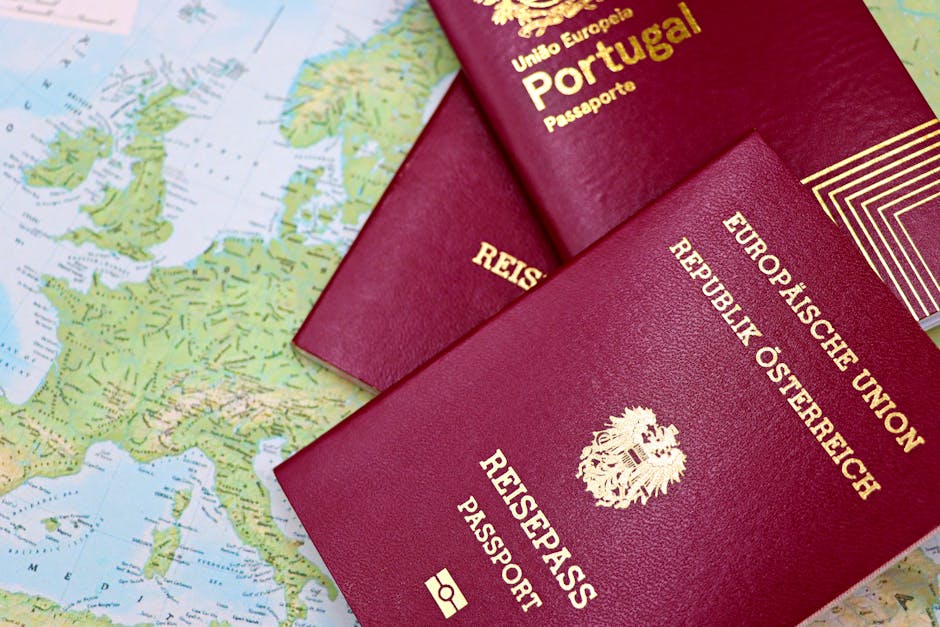 Photo: Marta Branco / Pexels
Expat community
Phuket has one of Thailand's largest and most established foreign communities, clustered differently by area: Rawai and the south for a laid-back, long-stay crowd with a strong Facebook-group culture; Kata and Karon for families and relaxed beach living; Bang Tao and Laguna for a wealthier international set around golf and beach clubs; and Phuket Town for a mixed, real-city crowd of teachers, business owners and long-term residents. Sports clubs and regular meetups make it easy to build a social circle quickly.
 Photo: Arun Kumaresan / Pexels
Nightlife & entertainment
Nightlife varies sharply by area: Patong's Bangla Road is Southeast Asia's best-known nightlife strip, all neon, bars and clubs; Kamala and Bang Tao lean toward beach clubs, rooftop bars and live music for a calmer, higher-end evening; and the south and Phuket Town keep a quieter, more local scene. Costs and safety vary just as much by strip, so it pays to know which area matches the night you want.
 Photo: Phong Vo / Pexels
International schools
Phuket's international schools cluster in the centre and northwest, where families weigh school catchment heavily when choosing an area. British, IB and American curricula are all represented, led by names like UWC Thailand, the British International School Phuket and QSI, with tuition ranging from mid-range bilingual programmes to premium boarding-style campuses. Admissions windows, bus routes and waitlists all shape which neighbourhood makes sense for a relocating family, so it pays to shortlist schools before signing a lease.
 Photo: Hoàng Tiến Anh / Pexels
Restaurants & dining
Phuket's dining runs from beachfront seafood shacks to destination fine dining, with each area developing its own character: Bang Tao and Laguna for beach clubs and international tasting menus, Phuket Town for heritage Sino-Portuguese cafes and some of the island's best-value Thai food, and Patong and Kata for a dense mix of tourist-facing restaurants and quieter local spots just a street back. Fresh seafood is a constant, priced by weight at most beachfront restaurants, and delivery apps now reach nearly every condo and villa.
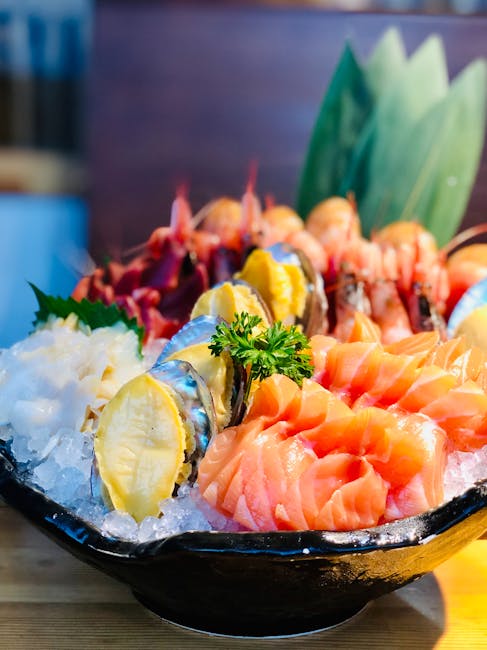 Photo: 奥尼尔 孙 / Pexels
Driving licence
Most long-stay residents either convert a foreign licence or test fresh at the Phuket Land Transport Office (DLT), and the motorbike licence matters just as much as the car one given how many residents get around by scooter. Expect to bring your passport, visa, a Thai address certificate and a medical certificate, then sit written and practical tests if you don't qualify for conversion. Fees are modest, but appointment slots can book out during high season, so it's worth starting the paperwork early.
 Photo: USMAN KASALI / Pexels
Utilities setup
Setting up a home in Phuket means dealing with PEA for electricity, a mix of municipal and private well water depending on the area, home fibre internet, and cooking gas delivered in refillable cylinders. Dry-season water pressure can drop in some outlying areas, when trucked-in water becomes a normal backup. Most bills can now be paid through banking apps, PromptPay or at any 7-Eleven, which makes the admin side far easier than it used to be for new arrivals.
 Photo: Paul Bisseker / Pexels
Shopping & markets
Phuket's shopping ranges from air-conditioned malls like Central Phuket and Jungceylon to open-air weekend and night markets for street food and bargains, plus fresh morning markets for produce and seafood. Furniture and home-goods shopping usually means a trip to HomePro, Index or SB Design Square when setting up a new condo or villa, while expat-focused shops in Rawai and Kamala fill in imported groceries and specialty items that the big supermarkets don't stock.
 Photo: Mak_ jp / Pexels
Internet & SIM cards
Home fibre from AIS, True and 3BB covers nearly all of Phuket's populated areas at prices well below Western broadband, making remote work practical island-wide. For mobile, prepaid tourist SIMs and eSIMs from AIS, dtac and True cover most visitors' needs, while postpaid plans suit longer stays and come with better data allowances. Coverage is strong on the west coast and in town, with only a few pockets in the hills and far south seeing weaker signal.
 Photo: Expect Best / Pexels
Drinking water
Tap water in Phuket isn't considered safe to drink straight from the mains, so residents rely on refillable 18.9-litre delivery bottles, coin-operated refill vending machines on nearly every street corner, or an under-sink RO filter installed in the villa or condo. Bottled and filtered water is inexpensive island-wide, and even ice at reputable restaurants is generally made from treated water, though it's worth sticking to busier, well-reviewed places to be safe.
 Photo: Pixabay / Pexels
Moving & relocating
Shipping a household to Phuket usually means choosing between international movers for a full container and simply buying furniture locally once you arrive, since sea freight can take weeks and air freight gets expensive fast for bulky items. Thailand's used-household-effects exemption can waive import duty on personal belongings for those on the right visa type, and pet relocation runs on its own separate timeline and paperwork. Get quotes from two or three movers and confirm customs requirements before committing to what to ship.
 Photo: www.kaboompics.com / Pexels
Flood risk
Phuket's monsoon season brings genuine flash-flood risk to a handful of low-lying spots -- Patong, Kathu and parts of Phuket Town among them -- while drainage upgrades gradually improve the worst chokepoints. Renters can sidestep most of the risk by checking a building's floor level and drainage history before signing, and confirming whether contents insurance covers flood damage.
 Photo: Виктор Соломоник / Pexels
Airport transfers
Phuket International Airport (HKT) sits at the island's north end, so the transfer to Patong, Kata or Chalong can run well over an hour. Taxis, Grab, the Smart Bus and minivans all cover the route at different price points, with private cars the most reliable option for late arrivals or larger groups.
 Photo: AirTeo | Air Travel / Pexels
Religious community
Phuket's faith communities are genuinely diverse for an island this size -- Buddhist temples and the Big Buddha landmark, mosques serving the island's long-established Muslim community, churches, a Hindu temple, a Sikh Gurdwara and a synagogue all have a presence, reflecting the island's long history as a trading and pearling hub.
 Photo: Daniel P / Pexels
Vets & pet care
English-speaking veterinary clinics cluster around Phuket Town, Chalong, Rawai, Patong and Bang Tao, with several offering 24-hour emergency care -- a genuine relief for long-stay pet owners used to scrambling for after-hours help elsewhere. Vaccinations, microchipping, spay/neuter and dental work are all routinely available alongside grooming and boarding.
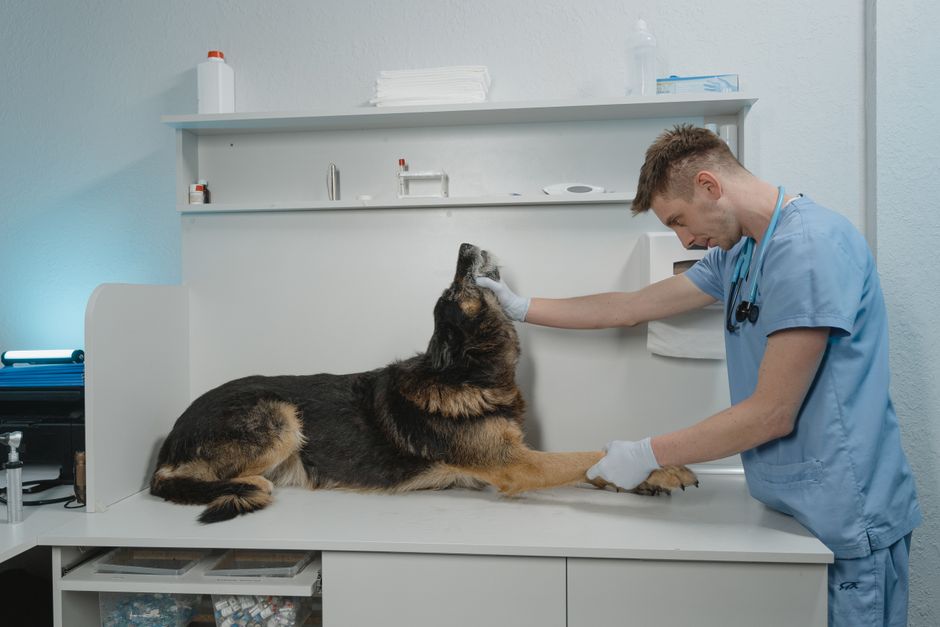 Photo: Tima Miroshnichenko / Pexels
Lawyers
English-speaking law firms in Phuket handle the transactions that matter most to foreign buyers and long-stayers: villa and condo due diligence, land-lease and company structures, visas and work permits, marriage and wills. Vetting a firm properly -- and understanding the nominee-shareholder traps some cut-rate operators still push -- is worth the extra diligence before any property purchase.
 Photo: Pavel Danilyuk / Pexels
Air quality
Phuket is genuinely one of Thailand's cleanest-air destinations for most of the year, well clear of the agricultural-burning haze that hits the north and even Bangkok's traffic-driven PM2.5 seasons. There's a brief haze window worth knowing about, but for the bulk of the year outdoor living here comes with none of the air-quality caveats common elsewhere in the country.
 Photo: Yurix Sardinelly / Pexels
Emergency services
Every Phuket resident should save the same short list of numbers: ambulance 1669, police 191, the English-speaking Tourist Police at 1155, fire 199 and marine police 1196. Patong and Phuket Town both have hospitals with 24-hour emergency rooms, which matters given how common motorbike-crash injuries are on the island's hilly, rain-slicked roads.
 Photo: Antonio Batinić / Pexels
Car & motorbike rental
Renting a car or scooter in Phuket means the standard licence and International Driving Permit checks, plus a hard look at insurance and deposit terms before signing -- the island's hilly, rain-slicked roads are genuinely more demanding than flat mainland driving, and motorbike-crash injury rates reflect that.
Photo: Markus Winkler / PexelsChildcare & nurseries
Relocating families have real choice in Phuket's childcare market -- nurseries, bilingual and international preschools, and Thai anuban kindergartens covering ages 0-5, with fees varying widely by tier and area. Enrolment and required documents follow the standard Thai pattern, but which area you choose matters as much as which school given the island's spread-out geography.
 Photo: Yan Krukau / Pexels
Self-storage
Seasonal residents and anyone downsizing between rentals can find genuine self-storage facilities across Phuket, with a range of unit sizes, monthly THB rates and climate-control options. Booking and access processes are straightforward, making storage a practical bridge for anyone between leases or heading home for part of the year.
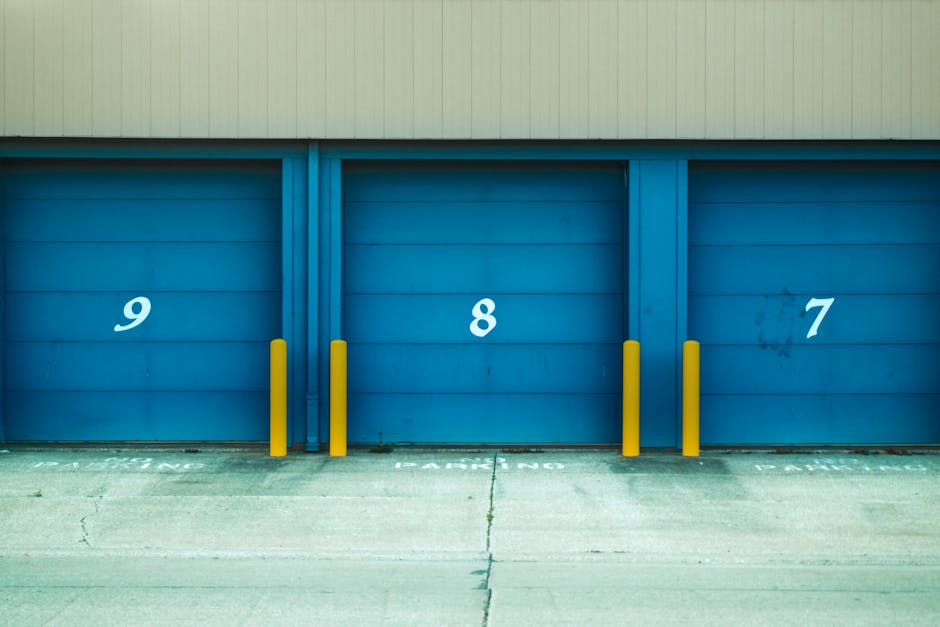 Photo: Steve A Johnson / Pexels
Health insurance
What the O-A and LTR visas require, Thai vs international insurers, direct billing at Bangkok Hospital Phuket and Siriroj, and the separate DAN dive-accident cover Phuket's diving community relies on.
Phuket living, right now
Editorial analysis compiled and periodically refreshed by BAANLYY’s research team — not a live data feed.
- Has Phuket's tourism fully recovered?Largely yes. From January to October 2025 Phuket welcomed over 4.16 million international arrivals, about 97.5% of pre-pandemic levels, and the Q4 2025 -> Q1 2026 peak season has been described by hoteliers as the island's best in five years, with arrivals and spend both exceeding 2019. Russia has overtaken China and India as the top source market.
- Is Phuket International Airport (HKT) being expanded?Yes. HKT already handled 19.7 million passengers in 2024 and is running terminal and apron upgrades aimed at 20 million annual passengers by 2027. A separate new international terminal, budgeted at roughly ฿6 billion, is slated to break ground in 2026 and take about three years to build, adding a further ~6 million passengers of capacity by 2029.
- What's driving new condo development on the island?Branded residences now make up roughly 10% of Phuket's condo market and are commanding materially higher rental yields than standard projects, concentrated along the west coast in Bang Tao, Layan, Kamala and Cherng Talay. Buyers are increasingly selective, favouring established developers and recognised hotel brands over speculative smaller projects.
- Should renters and buyers expect prices to keep climbing?With airport capacity, tourist arrivals and branded-residence supply all trending upward together, well-located northwest and beachfront addresses have limited room to get cheaper, while Phuket Town and the south continue to offer the island's best relative value.
Analysis last reviewed July 2026.
Phuket's tourism & growth trajectory
- 2019Pre-pandemic peakPhuket logs record annual tourist numbers and airport traffic ahead of the 2020 downturn.
- 2021Phuket SandboxThailand launches its first quarantine-free reopening program on the island, restarting international arrivals.
- 2022–2023Full reopening & reboundThailand lifts remaining border restrictions; Phuket's hotel occupancy and flight connectivity climb back toward pre-2020 levels.
- 2024Airport traffic near-recordHKT handles 19.7 million passengers, cementing Phuket as Thailand's second-busiest tourism gateway after Bangkok.
- 202597.5% recovery, Russia leadsInternational arrivals reach roughly 97.5% of pre-pandemic levels through October, with Russian visitors overtaking China and India as the top source market.
- 2026–2029Airport expansion programA ~฿6 billion new international terminal begins construction in 2026, targeting 20 million annual passengers by 2027 and a further ~6 million of capacity by 2029.
Sources & References
Primary and official sources are cited above. Government rules, fees and procedures in Thailand change over time and vary by office; always confirm current requirements with the relevant authority before relying on them. BAANLYY never takes paid placement in editorial content.
Ready to explore Phuket?
Pick your area, browse homes, and run the numbers.
General information and indicative pricing, not legal, tax, immigration or financial advice. Confirm current details with official sources, individual listings or licensed professionals.