Nakhon Ratchasima's areas, mapped.
An approximate look at where the Old City, Mukmontri/The Mall, the Suranaree University corridor and the outer bypass suburbs sit around Korat.
Nakhon Ratchasima area guides
Compare each area's vibe and rent below, or see the full Nakhon Ratchasima areas guide.
Why Nakhon Ratchasima (Korat)
Nakhon Ratchasima — almost universally known as Korat — is the gateway to Isaan and sits in Thailand's largest province by population, closest of the northeastern cities to Bangkok and a major industrial, education and transport hub on the edge of the Khorat Plateau. It is a genuine working Thai city rather than a retiree enclave or resort town: large modern malls (Terminal 21 Korat, The Mall and Central Plaza), the historic old city moat and Thao Suranari monument, a major technical university (Suranaree University of Technology) and Khao Yai National Park and wine country about 90 minutes away for weekends. A new motorway and an under-construction high-speed rail line are steadily shortening the trip to Bangkok. It suits people who want very low costs, full city amenities and easy road access to the capital more than beaches, nightlife or a large foreign community.
 Photo: Martin Péchy / Pexels
Where to live
Most long-stayers choose between the walkable old city around the moat and Thao Suranari monument for character and history, the busy commercial centre near The Mall Korat, Terminal 21 and Central Plaza (the Mukmontri area) for mall convenience and the widest rental choice, or quieter suburban sois and estates toward Suranaree University and the bypass for more space and lower rent. As a large commercial city, Korat has a fairer supply of modern condominiums than most Isaan towns, though still far less choice than Bangkok, Chiang Mai or Udon Thani — houses and low-rise apartments are common outside the centre.
 Photo: Optical Chemist / Pexels
Getting around
Korat has no BTS or MRT — most residents get around by car, motorbike or songthaew (shared truck), with the old city and Mukmontri commercial area walkable in parts. Nakhon Ratchasima Airport (NAK) has limited scheduled routes, so most visitors and residents travel to and from Bangkok by the new motorway (roughly two and a half hours by car or bus) or by train; an under-construction high-speed rail line is set to cut that trip significantly once complete. Khao Yai National Park, one of Thailand's largest protected forests and a UNESCO World Heritage Site, plus the surrounding Khao Yai wine country, sits about 90 minutes southwest — an easy weekend escape.
 Photo: FOX ^.ᆽ.^= ∫ / Pexels
Cost of living & rent
Korat is one of the cheaper cities in Thailand where a foreigner can live well, broadly in line with Udon Thani and comfortably below Chiang Mai or Bangkok. A lean, local lifestyle for a single person runs roughly 19,000–31,000 THB a month; a comfortable mid-expat or retiree lifestyle runs roughly 33,000–52,000 THB; and a premium or family lifestyle with international school and a car starts around 75,000 THB and climbs well beyond that. Furnished one-bedrooms range from about 5,000 THB in budget-local areas to 8,000–13,000 THB near The Mall, Terminal 21 and Central Plaza — among the lowest rents of any major Thai city.
 Photo: Jonny Belvedere / Pexels
Healthcare
Korat is served by Maharat Nakhon Ratchasima Hospital, a large government hospital, alongside Bangkok Hospital Korat and several other private facilities offering English-speaking staff for routine, urgent and specialist care. It is one of the better-served Isaan cities for healthcare given its size and role as a regional hub, though for the most complex or highly specialised treatment many residents still travel to Bangkok, about two and a half hours away by road. Comprehensive private health insurance is affordable here and worth arranging before you move, particularly for retirement-visa requirements.
Nakhon Ratchasima healthcare guide — hospitals, costs & insurance →
 Photo: Jacky. T. R. Chou / Pexels
Schools & family life
Korat's international-school field is small compared with Bangkok, Chiang Mai or even Udon Thani, reflecting its profile as a working commercial city rather than an established expat or retiree base. Families needing a wide choice of international curricula and a larger foreign-student peer group often look to Bangkok or the northern hubs instead, while local Thai schooling and homeschooling remain common paths for long-stay families who do settle in Korat. Suranaree University of Technology anchors a younger, student-driven population around its campus, keeping cafés, coworking-style spaces and mid-range dining well supplied.
 Photo: cottonbro studio / Pexels
Safety
Korat is a working commercial and university city rather than a tourist or party town, and violent crime against foreigners is rare — long-term residents describe the Old City, Mukmontri commercial centre and Suranaree University corridor as calm and easy to walk. The real everyday risk is highway and motorbike traffic, since there is no BTS or MRT and Korat sits on the main freight corridor into Isaan, plus seasonal heat, drought and dry-season haze rather than street crime.
 Photo: Jom / Pexels
Relocating to Korat
Moving to Nakhon Ratchasima means choosing a visa, an area and a home, then setting up banking, healthcare and utilities — most newcomers start in or near the Mukmontri commercial centre or the old city for services and rental choice before deciding whether the suburbs toward Suranaree University suit them better. The main seasonal factor to plan around is a punishingly hot March–May before the rains arrive. Long-stayers typically rely on retirement, marriage, DTV or LTR visas; Korat's road and rail links make it one of the easiest Isaan cities to combine with regular trips back to Bangkok for immigration, banking or family.
 Photo: SHVETS production / Pexels
Everyday life & who Korat suits
Korat suits people who want a real, working Thai city rather than a resort town: retirees drawn to a lower cost of living and easy reach of Khao Yai National Park, academics and students linked to Suranaree University of Technology (SUT), business and logistics professionals working with Isaan's largest commercial and industrial hub, and families who want full-service infrastructure -- real malls, real hospitals, real schools -- without Bangkok prices. Day to day, that means large modern malls (Terminal 21 Korat, The Mall, Central Plaza), the historic old-city moat area for a slower pace, and weekend trips up to Khao Yai's national park and wine country about 90 minutes away. It is a lower-key, lower-cost lifestyle built around a genuine Thai provincial capital rather than an expat resort scene.
 Photo: cottonbro studio / Pexels
Visas & long-stay housing
Which long-stay visa you hold tends to point to a different corner of Korat and a different lease structure. DTV and remote-work arrivals often gravitate to condos and serviced units near The Mall or Terminal 21 for convenience; Non-B work-permit holders frequently look near their employer or the industrial estates; retirement and marriage-visa holders often prefer quieter housing near the old city or family-friendly suburbs; and LTR holders have the most flexibility across price points. Documentation requirements and the paperwork trail differ by visa type, so it is worth mapping your visa to an area and lease term before committing to a rental.
 Photo: Jakub Zerdzicki / Pexels
Banking & money
Opening a Thai bank account in Korat is easiest at the foreigner-friendly branches clustered around Mukmontri, The Mall and Terminal 21. The exact documents you'll need vary by visa type -- DTV, LTR, a Non-B work permit, retirement or marriage visa each carry a slightly different checklist -- but most banks now support mobile banking and PromptPay for everyday transfers once the account is open. Budget for standard Thai ATM fees on foreign cards, and plan ahead for how you'll move money in from abroad, since transfer methods and costs vary by bank and by home country.
 Photo: weedlyr / Pexels
Restaurants & dining
Korat's dining scene centres on a few distinct areas: the old-city moat district for a slower, local pace; the Mukmontri / The Mall / Terminal 21 corridor for modern malls and a wider mix of cuisines; and the Suranaree University corridor for a younger, student-driven food scene. Authentic Isaan cooking -- grilled chicken, som tam and sticky rice -- is everywhere and cheap, night markets are a reliable low-cost dinner option, and a Khao Yai wine-country day trip is an easy way to sample Thailand's growing domestic wine scene. Western food exists but is more limited and pricier than in Bangkok or the beach cities.
 Photo: Pete Miller Portraits / Pexels
Expat community
Korat's foreign community is small compared to Bangkok, Chiang Mai or the beach cities, but it is real and growing, anchored partly around Facebook groups, a Rotary club and charity circle, and Suranaree University of Technology's international staff and student network. Golf and weekend trips to Khao Yai's wine country are common ways newcomers meet people. It suits someone comfortable building a smaller, more local-integrated social circle rather than plugging into a large, ready-made expat scene on day one.
 Photo: Ketut Subiyanto / Pexels
Internet & SIM cards
Home fibre in Korat comes from the same national providers as the rest of Thailand -- AIS Fibre, True Online, 3BB and NT -- with plans and speeds comparable to other secondary cities. For a phone, prepaid or postpaid SIMs from AIS, True or dtac all work well, eSIMs are increasingly available for arriving travellers who don't want a physical SIM swap, and coverage is strong around the main hubs -- Mukmontri, The Mall, Terminal 21 and the Suranaree University area -- which matters most if you plan to work remotely.
 Photo: Porapak Apichodilok / Pexels
Investing in Korat property
Korat's appeal to property buyers is affordability rather than yield data -- as Thailand's largest province by population with a working industrial and university economy (Suranaree University of Technology, a growing BOI-linked manufacturing base and the Mukmontri/The Mall/Terminal 21 commercial corridor), condo and house prices sit well below Bangkok, Phuket or Pattaya for comparable space. BAANLYY has not found a dedicated Korat investment-yield or foreign-transaction dataset comparable to the bigger tourist markets, so treat any return estimate as indicative rather than benchmarked. The clearest starting point is our condo and apartment building directory, which covers the Old City moat, Mukmontri/The Mall/Terminal 21/Central Plaza and Suranaree University corridor markets.
 Photo: Jonny Belvedere / Pexels
Flood risk & monsoon season
Korat's flood risk is real but localised: Lam Takhong canal-side communities are the first to flood, and the city has seen notable events in October 2020, October 2021, Storm Noru in 2022, and again in August-September 2024 and 2025. July through October is the highest-risk window each year. For anyone renting or buying, the practical takeaway is picking a flood-safe floor and building -- ground-floor units near the canal carry meaningfully more risk than upper floors or areas set back from the waterway, and it's worth asking any landlord or agent directly about a specific building's flood history before committing.
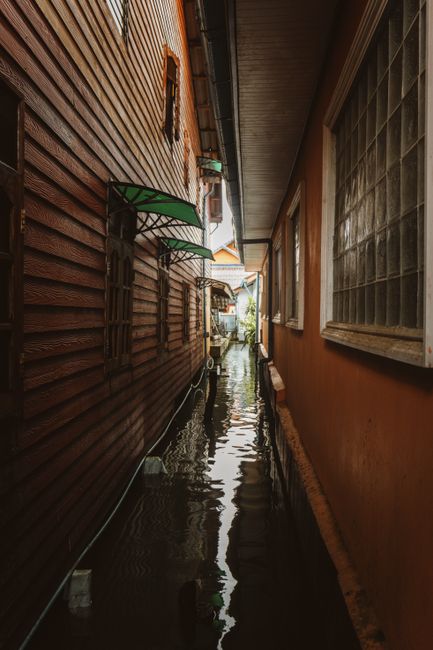 Photo: Laura Meinhardt / Pexels
Things to do around Korat
Isaan's gateway city is a genuine sightseeing base in its own right. Phimai's Khmer temple ruins -- one of Thailand's largest Angkor-style complexes -- sit under an hour away, Khao Yai National Park and its wine country are roughly 90 minutes out, and the giant naga statue at Wat Ban Rai draws its own visitors. Closer to home, the Thao Suranari Monument and the old city moat anchor daily life in the city centre and make an easy half-day on foot. Between the historical sites, the national park and the city's own temples and markets, Korat rewards residents who explore beyond the malls.
 Photo: pierre matile / Pexels
Getting in from the airport
Korat's own airport has had no scheduled flights since 2019, so unlike Phuket, Chiang Mai or Udon Thani, there is no direct fly-in option -- every trip routes through Bangkok, roughly 250km away. Bus, train, van and private-car transfers are all well established for that leg, and a newly opened motorway is starting to cut road journey times meaningfully. Which option makes sense depends mostly on luggage, budget and how tightly your onward flight connects -- private cars and vans are faster door-to-door, while the bus and train remain the cheaper standbys.
 Photo: Zaonar Saizainalin / Pexels
Faith communities in Korat
Korat's religious life centres on the Thao Suranaree Monument, the daily devotional heart of the old city, alongside historic Buddhist temples such as Wat Phra Narai Maharat and Wat Sala Loi. A small Muslim community worships at Masjid Ar-Ridwan Nana, and the Diocese of Nakhon Ratchasima's Our Lady of Lourdes Cathedral serves Catholics across a wide swath of rural Isaan -- a reach that goes well beyond the city itself. Suranaree University's international student and staff population adds a further, smaller thread of religious diversity connected to the wider university community.
 Photo: Alix Lee / Pexels
Vets & pet care
Pet owners in Korat have real options clustered around the Old City moat, the Mukmontri/The Mall/Terminal 21 corridor and the Suranaree University area, covering routine vaccinations, microchipping, spay/neuter, grooming and boarding, plus emergency care when something goes wrong. Anyone relocating with a pet also needs to plan for import/export paperwork -- rules that apply the same way here as anywhere else in Thailand, just with fewer specialist relocation agents locally than in Bangkok. Costs run in Thai baht with USD equivalents worth checking against your home country's pricing before you're surprised at the till.
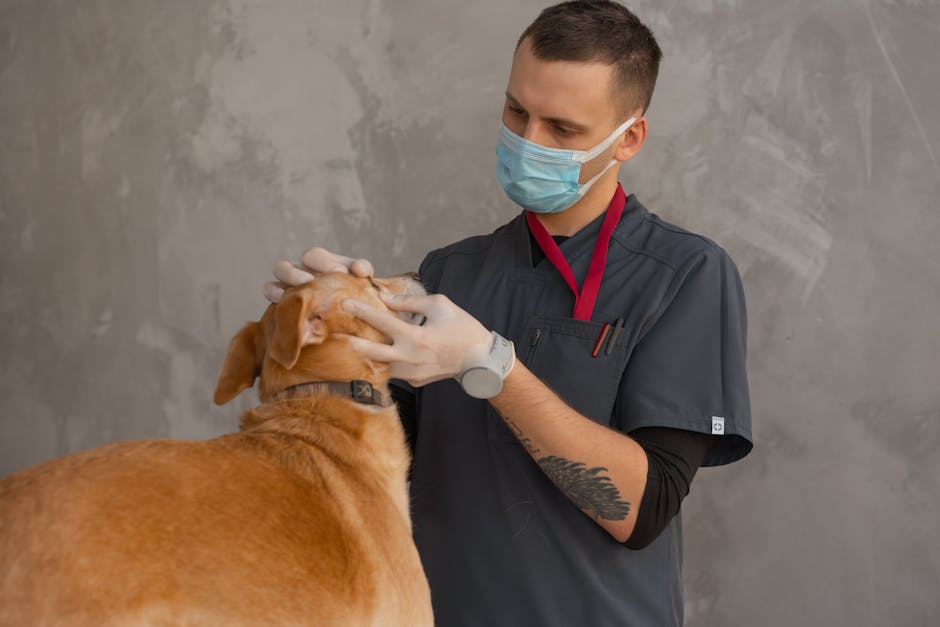 Photo: Mikhail Nilov / Pexels
Legal help in Korat
Korat's legal needs mix a working commercial and industrial economy with a growing retiree and academic base: visa extensions through Nakhon Ratchasima Immigration, condo purchases and usufruct rights over a spouse's land, BOI-linked company setup for the province's manufacturers, and Thai wills covering a life built around the old city moat, Terminal 21 and Suranaree University. Fees are typically quoted in Thai baht and vary by complexity, and the clearest way to protect yourself is knowing how to tell a genuine lawyer from a visa agent, and vetting a firm's credentials before committing to anything.
 Photo: Mikhail Nilov / Pexels
Setting up utilities
Utilities in Korat are usually painless to sort out: in a rented condo, apartment or house, electricity and water are typically already connected in the landlord's name, and you simply pay the monthly bills. PEA runs electricity and PWA runs mains water fed largely by the Lam Takhong Dam, both reliable across the built-up Old City, the Mukmontri/The Mall/Terminal 21 corridor and the Suranaree University area. The one thing worth watching, as everywhere in Thailand, is a landlord's per-unit electricity markup above the state rate -- worth asking about before signing a lease.
 Photo: Anh-Bao Tran-Le / Pexels
Getting a Thai driving licence
Korat has no BTS, MRT or high-speed rail, so a car or motorbike is close to essential for retirees, industrial-sector workers and families moving between the old city moat, the Mukmontri commercial centre and the Suranaree University corridor. A Thai driving licence also doubles as valid ID that spares you hassle at checkpoints. The process runs through the Nakhon Ratchasima Provincial Land Transport office, and the route differs depending on whether you're converting a home-country licence or testing from scratch -- documents, theory and practical tests, fees and validity periods all vary accordingly.
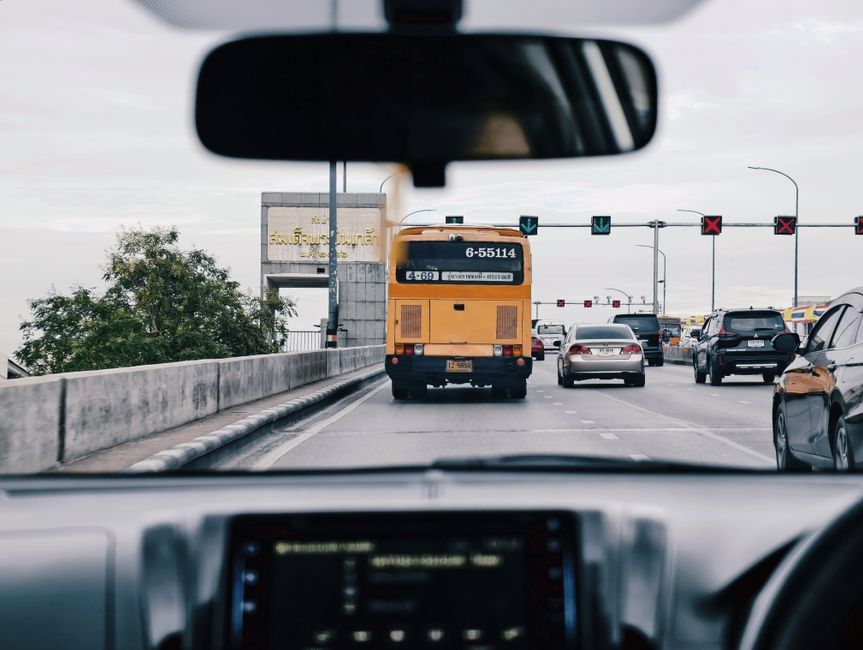 Photo: lee starry / Pexels
Shopping
Korat's retail centres on Terminal 21 Korat, The Mall Korat and Central Plaza Nakhon Ratchasima along the Mukmontri corridor, with the walkable old-city moat area for smaller local shops and weekend walking-street markets for cheaper finds. Between the three big malls you can cover groceries, electronics, pharmacies, banks and food courts in a single trip -- more retail depth than most Isaan towns, though still a fraction of Bangkok's or Chiang Mai's selection.
 Photo: Magda Ehlers / Pexels
Nightlife
Korat isn't a tourist nightlife city, and the honest picture is a local, food-led evening scene rather than bar streets: Save One Market's night-market food stalls, the weekend walking street, and live Isaan-music pubs along Sueb Siri Road are where residents actually go. It suits people happy with a low-key, affordable evening out over a big-city club scene.
 Photo: Tony Wu / Pexels
Drinking water
As almost everywhere in Thailand, Korat's tap water isn't recommended straight from the tap -- residents rely on large refillable bottles from neighbourhood refill stations, bottled-water delivery, or an installed RO/UV filter system, all widely available and inexpensive citywide.
 Photo: PNW Production / Pexels
Movers
Moving to Korat means lining up your lease and area before the boxes arrive -- local and Bangkok-based moving companies both service the city, with rates depending on load size and whether you're moving within Korat, from Bangkok along the M6 motorway, or further afield in Isaan.
 Photo: Artem Podrez / Pexels
Laundry
Korat's laundry scene is more developed than many smaller Thai cities: national 24-hour coin-laundry chains (Otteri Wash & Dry, Washbar24) with several branches around the city, wash-by-kilo drop-off shops, and at least one confirmed dry-cleaning option.
Laundry & dry cleaning in Korat — named chains, drop-off shops & costs →
 Photo: Markus Winkler / Pexels
Air quality
Korat's air quality follows Isaan's seasonal burning pattern: a December–April sugarcane and rice-stubble burning season pushes PM2.5 and AQI well above the rest of the year on PCD/Air4Thai monitoring, while the wet season brings genuinely clean air. Air purifiers, N95 masks and monitoring apps are worth budgeting for through the burning months -- the full guide covers month-by-month AQI and how Korat compares with Bangkok and Chiang Mai.
 Photo: Quý Hoàng / Pexels
Emergency services
Save these numbers on arrival: police 191, ambulance 1669, Tourist Police 1155 (English-speaking) and fire 199. Maharat Nakhon Ratchasima Hospital and Bangkok Hospital Korat both run 24-hour emergency care, and the full guide covers what to do in an accident, theft or lost-passport emergency.
 Photo: RDNE Stock project / Pexels
Car & motorbike rental
Renting a car or scooter in Korat means sorting a valid licence (Thai or International Driving Permit), insurance and a deposit with a local or national provider -- handy for the M6 motorway run to Bangkok or a Khao Yai National Park weekend. Indicative 2025–26 rates run higher at the airport desk, for premium vehicles, or in high season, so confirm current pricing, insurance and excess with the operator before booking.
Renting a car or motorbike in Nakhon Ratchasima — full guide →
 Photo: Negative Space / Pexels
Childcare
Young families in Korat choose between early-years programmes at the city's international schools, Thai government or private kindergartens, and nanny arrangements, with fees running across a wide THB/USD range depending on the path. The full guide breaks down each option and the best areas in Korat for young families.
 Photo: Pavel Danilyuk / Pexels
Self-storage
Between leases, university semesters or an industrial-estate relocation, Korat has both dedicated self-storage rooms and mover-arranged warehouse storage tied to the M6 motorway corridor -- unit sizes, climate control and realistic monthly THB rates all vary by provider, covered in the full guide.
 Photo: David Slaager / Pexels
Elderly & nursing care
Ratchasima Hospital runs its own dedicated Korat Nursing Home Department in-house, on the hospital's 5th floor, open 24 hours with permanent, monthly and daily care options -- a genuine continuity-of-care advantage. The charity Home for Aged Ratchasima and private facilities like Nakhon Ratchasima Resort Elderly Care Center round out the picture for residents and their families.
 Photo: Jsme MILA / Pexels
Maids & domestic helpers
Korat's foreign community skews toward SUT-linked international-school families and industrial-estate professionals, so a school, employer or landlord referral is usually the strongest hiring channel, with cleaning apps only partially covering the city centre. A full-time live-in housekeeper typically runs THB 9,500-17,000 a month plus room and board.
Condos & apartment buildings
Named condo building guides for Nakhon Ratchasima, covering Central Plaza/Mittraphap Road South, the Terminal 21/The Mall corridor, the Bypass Road and the Bus Terminal 1/Makro corridor.
Salons & beauty
Terminal 21 Korat's 2nd floor has three named beauty businesses -- My Beauty Salon and Spa, Hair Station Beauty & Spa Korat and KANYA Beauty Salon -- alongside dedicated nail studios like aime.beauty bar and Million Nail Studio in the city centre, plus a wide spread of independent salons and barbershops.
Cooking classes
I Love Cooking, found via its own Facebook page and a doubleasia.com listing, is a named local option in Korat -- neither source carries independent reviews, so confirm directly that it’s still running before booking. Korat has no BTS or MRT and sits roughly 2.5 hours from Bangkok by motorway or train, making a confirmed local option considerably more valuable here than in closer provinces where Bangkok is a quick backup.
Nakhon Ratchasima Living Summary
Editorial analysis compiled and periodically refreshed by BAANLYY’s research team — not a live data feed.
- Is the Bangkok–Korat high-speed rail on track?No — the line has been pushed back again. As of early 2026 the 253km Bangkok–Nakhon Ratchasima section was roughly half built, with tunnel work nearly finished but two contracts still stalled at 0% because of land and design issues; operations are now targeted for 2030 rather than the earlier timelines.
- Is the M6 motorway to Bangkok actually finished?Almost. The Pak Chong–Korat stretch has been open on a persistent public trial since mid-2024, and the full 196km route has run several free holiday trials — New Year 2025–26 and Songkran 2026 — ahead of a planned permanent opening later in 2026, already cutting the Bangkok drive closer to two and a half hours.
- Is Korat's industrial base still growing?Yes, and shifting fast. EV component manufacturing is projected to reach roughly a third of the province's automotive output by the end of 2026, up from under a fifth in 2024, and logistics investment is flowing in ahead of the new high-speed rail station — though workers tied to older combustion-engine parts face real displacement risk.
- Who does Korat suit right now?Budget-focused long-stayers who want a genuine working Thai city with big malls, a major hospital and steadily improving road links to Bangkok — not those chasing a finished high-speed rail line, a large expat scene or beach-town amenities, all of which remain years out or simply absent here.
Analysis last reviewed July 2026.
Korat's Infrastructure & Growth Timeline
- 1987Nakhon Ratchasima Industrial Estate opensThe estate opens and becomes the anchor of Korat's automotive and electronics manufacturing base, which today spans roughly 180–220 active manufacturers.
- 1993Suranaree University of Technology begins full operationsEstablished in 1990, SUT becomes fully operational in 1993; by 2026 it enrols over 14,000 students and ranks among Thailand's top science and technology universities.
- 2016M6 motorway construction beginsWork starts on the Bang Pa-in–Nakhon Ratchasima motorway, first planned back in 1997, aiming to cut the road trip from Bangkok well below the conventional highway's several hours.
- 2017Thai-Chinese high-speed rail breaks groundConstruction begins on the first phase of the Bangkok–Nakhon Ratchasima high-speed line, the initial leg of a planned route eventually reaching Nong Khai and the Laos border.
- 2024Pak Chong–Korat M6 stretch opens for persistent trialThe motorway's Pak Chong to Nakhon Ratchasima section opens for ongoing public trial use in June 2024, years ahead of the rest of the route.
- 2026High-speed rail delayed to 2030; M6 nears full openingThe HSR's first phase reaches roughly half complete but is confirmed delayed about a year to a 2030 opening, while the M6 runs free holiday trials across its full 196km ahead of a planned permanent opening later in the year.
Nakhon Ratchasima lifestyle guides
Practical, in-depth guides to daily life in Nakhon Ratchasima.
Frequently asked
Ready to explore Korat?
Learn the budget, then talk to us about relocating.
Sources & References
- Bangkok–Nong Khai high-speed railway — Wikipedia
- City-NE high-speed rail delayed a year — Bangkok Post
- Motorway 6 (Thailand) — Wikipedia
- New Year Travel Boost: Korat M6 Motorway to Open Ahead of Schedule — Nation Thailand
- Suranaree University of Technology — Wikipedia
- Nakhon Ratchasima's EV Manufacturing Pivot — KiTalent
Primary and official sources are cited above. Government rules, fees and procedures in Thailand change over time and vary by office; always confirm current requirements with the relevant authority before relying on them. BAANLYY never takes paid placement in editorial content.
General information and indicative pricing, not legal, tax, immigration or financial advice. Hero photograph via Pexels. Confirm current details with official sources, individual listings or licensed professionals.