Why Pattaya
Pattaya is Thailand's most accessible beach city — barely two hours from Bangkok on the Gulf coast, with its own airport, international-standard hospitals, international schools and one of the country's largest and most established expat communities. It draws retirees, remote workers, long-stay couples, families and value-focused investors who want a coastal lifestyle with full city infrastructure and an enormous, affordable condo market. As the gateway to the Eastern Economic Corridor, it pairs holiday-town energy with real long-term growth.
 Photo: Andreas Maier / Pexels
Beaches & neighbourhoods
Pattaya is best understood beach by beach and hill by hill. The lively centre and Walking Street sit between quieter ends — family-friendly Jomtien and Na Jomtien to the south, upscale Pratumnak Hill and Wong Amat, traditional Naklua to the north, and the value houses of East Pattaya inland. Use the grid below to find the part of the city that fits you.
 Photo: Erik Karits / Pexels
Getting around
Pattaya has no metro — the city runs on its iconic blue songthaews (baht buses) that loop fixed routes for a few baht, plus motorbike taxis, ride-hailing (Grab, Bolt) and private cars. Most residents drive or rent a scooter. U-Tapao (UTP) airport is about 45 minutes south, while a motorway links the city to Bangkok and Suvarnabhumi (BKK) in roughly two hours. A Bangkok–U-Tapao high-speed rail line is under construction and will cut the trip dramatically.
 Photo: Vincent Tan / Pexels
Condos, houses & residences
Foreigners can own Pattaya condominium units freehold within each building's 49% foreign quota — and Pattaya has one of Thailand's deepest, most affordable condo markets, from beachfront high-rises in Jomtien and Na Jomtien to value studios across town. For houses, foreigners typically use a registered long-term lease or Thai company structure; East Pattaya is the centre of gated villa and pool-home living. BAANLYY profiles the research layer most portals skip — amenities, fees, tenure, pet and parking policy and indicative pricing.
 Photo: thanhhoa tran / Pexels
Rental & sale pricing
Pattaya is Thailand's value beach market — entry prices and long-term rents sit well below Bangkok and Phuket, while strong tourist and retiree demand supports holiday-let yields, especially in Central Pattaya and Jomtien. The market is deep and liquid thanks to huge condo supply, with premium pricing reserved for Wong Amat, Pratumnak and Na Jomtien beachfront. Use our market data and calculators to model rent, purchase costs and returns before you commit.
 Photo: Pixabay / Pexels
Investment potential
Pattaya's investment case is built on affordability plus the Eastern Economic Corridor (EEC) — the U-Tapao airport expansion, the Bangkok–U-Tapao high-speed rail and heavy industrial investment across Chonburi and Rayong are reshaping the eastern seaboard. Low entry prices, solid rental demand and improving connectivity attract yield-focused buyers, though supply is large so location and building quality matter. Run the numbers on yield, supply and management costs before you buy.
 Photo: Peggy Anke / Pexels
Healthcare
Pattaya has international-standard private hospitals — Bangkok Hospital Pattaya, Pattaya International Hospital and Bangkok Hospital Jomtien among them — with English-speaking specialists and care at a fraction of Western prices. For complex treatment, Bangkok's flagship hospitals are about two hours away. Comprehensive private health insurance is affordable and is required for some long-stay visas.
 Photo: Pixabay / Pexels
International schools & families
Pattaya and the surrounding Chonburi area have a solid bench of international schools — Regents International School Pattaya, Rugby School Thailand and Tara Pattana International School among them — offering British and international curricula. Family-oriented Jomtien and the houses of East Pattaya pair these schools with space, beaches and quieter streets, which is why relocating families weigh school catchment and commute heavily when choosing where to live.
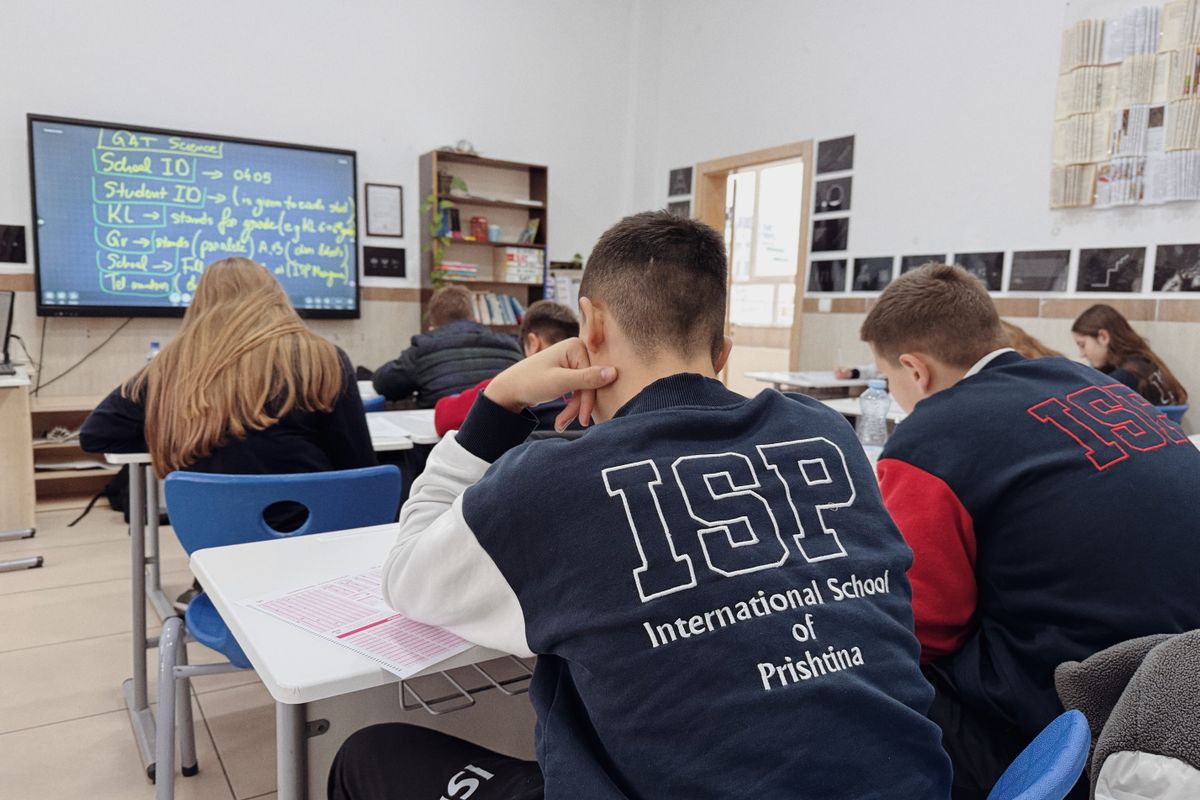 Photo: This And No Internet 25 / Pexels
Lifestyle & daily life
Daily life in Pattaya is built around the coast and the outdoors: beaches and islands like Koh Larn, watersports and sailing, and one of Asia's densest concentrations of golf courses. Add the famous Walking Street nightlife, night markets, beach clubs, big shopping malls and full food delivery and ride-hailing, and you have a city that suits almost every pace. English is widely spoken and the long-established foreign community makes settling in straightforward.
 Photo: Atlantic Ambience / Pexels
Relocating to Pattaya
Moving to Pattaya means choosing a visa, a side of the city and a home, then handling banking, healthcare, schooling, a vehicle and shipping. Many expats rent first — often in Jomtien or Central Pattaya — to learn the city's rhythms before buying a condo or signing a long house lease. Our relocation guides walk through it country by country and step by step.
 Photo: cottonbro studio / Pexels
Visas & immigration
There's a visa for almost every situation: the DTV for digital nomads, the LTR for high earners and retirees, retirement visas for over-50s, the Elite/Privilege membership, marriage and education visas, and work permits. Pattaya is served by the well-known Jomtien Immigration office, and each visa carries its own income, insurance and reporting rules.
 Photo: Kari Alfonso / Pexels
Things to do
Beyond the beach, Pattaya's sightseeing spans the ornate all-teak Sanctuary of Truth at Naklua, panoramic views from Pratumnak Hill's Pattaya Viewpoint and Big Buddha, a Koh Larn island day trip, Nong Nooch Tropical Garden, family waterparks, and an evening on Walking Street -- best balanced with quieter beach time at Jomtien or Wong Amat.
 Photo: Maksim Romashkin / Pexels
Safety
Pattaya is broadly safe for tourists, expats and long-stay residents -- violent crime against foreigners is uncommon, and tens of thousands of expats live there happily year-round. The real everyday risks are petty theft in crowds, a well-known set of tourist scams, and road accidents on motorbikes above all; normal big-city caution, plus extra care in the late-night Walking Street zone versus family-friendly Jomtien, Pratumnak and Bang Saray, covers most of it.
 Photo: David Henry / Pexels
Banking
Opening a Thai bank account has gotten noticeably harder since 2025, as the Bank of Thailand tightened anti-money-laundering and KYC rules after a wave of fraudulent accounts -- most major banks (Bangkok Bank, Kasikornbank, SCB, Krungsri) now expect a long-term Non-Immigrant visa rather than a DTV or tourist entry alone, plus an in-person branch visit with your passport. PromptPay and mobile banking apps are standard for everyday bills and transfers once you're set up.
 Photo: Calvin Seng / Pexels
Expat community
Pattaya has one of Thailand's largest and most established expat scenes, anchored by the Pattaya City Expats Club, big Facebook groups, golf societies, sports clubs and nationality associations -- with a noticeably different feel between the Jomtien crowd and Central Pattaya. Joining a club or society and showing up repeatedly in your first few weeks is the fastest way newcomers build a social circle.
 Photo: William Fortunato / Pexels
Nightlife & entertainment
Walking Street is Pattaya's famous party strip, but it's only one part of the picture -- the city also has beach clubs and beachfront bars, live-music and jazz venues, rooftop cocktail bars, cabaret shows, night markets, malls and cinemas, plus quieter neighbourhood scenes in Jomtien, Pratumnak and Naklua. Costs and safety vary sharply by strip, so it's worth knowing which area matches the night you want.
 Photo: Maheshwaran Shanmugam / Pexels
Restaurants & dining
Pattaya's dining spans distinct areas: Central Pattaya and Beach Road for density and choice, Jomtien for a quieter expat-favoured strip, Naklua for fresh seafood, and Pratumnak and Na Jomtien for a calmer, more residential scene. Fresh seafood is a highlight everywhere, and there's a genuinely wide international-cuisine scene built around the long-established expat community, alongside fine dining, street food and night markets. Delivery apps cover most areas, and typical prices range from cheap street-food meals to full Western-restaurant pricing depending on where you eat.
 Photo: Atlantic Ambience / Pexels
Flood risk & monsoon season
Some low-lying parts of Pattaya flood during the monsoon while higher ground such as Pratumnak Hill stays largely clear. The city's canals and coastal drainage set the pattern, and recurring flash-flooding tends to cluster in the same known low spots rather than the whole city at once. Renters on ground floors or with basement/covered parking carry the most practical risk, especially through the September-to-November peak window, so it's worth checking a building's flood history and considering renters insurance before signing a lease.
 Photo: Dibakar Roy / Pexels
Getting in from the airport
Most arrivals come through Suvarnabhumi (BKK), reached by Bell Travel and public buses, private pre-booked transfers, metered taxis or Grab; some flights route via the closer U-Tapao (UTP) instead. Fares and journey times vary by exact destination -- Central Pattaya, North Pattaya, Jomtien, Naklua, Pratumnak and Na Jomtien are all slightly different trips -- so it's worth matching your transfer choice to where you're actually staying rather than assuming one option fits the whole city.
 Photo: Chait Goli / Pexels
Faith & religious community
Pattaya has an active mix of faith communities for a city of its size: Catholic and Protestant churches, mosques serving the local Muslim community, Buddhist temples that expats regularly visit, and smaller Jewish and other faith groups. Services run in a mix of languages depending on the congregation, and most communities are genuinely easy to find and join once you know which area to look in.
 Photo: Julito Elizalde / Pexels
Vets & pet care
Pattaya has a solid roster of English-speaking veterinary clinics and animal hospitals, including emergency and after-hours options, across Central Pattaya, Jomtien, Pratumnak and East Pattaya. Typical costs in baht cover consultations, vaccinations, spay/neuter, microchipping and dental work, and most areas also have pet pharmacies, grooming and boarding nearby. Rabies vaccination rules apply as they do nationwide, so it's worth building a relationship with a vet near your condo early rather than only after an emergency.
 Photo: Gustavo Fring / Pexels
Lawyers & legal help
English-speaking lawyers in Pattaya commonly handle condo purchase and conveyancing through the Banglamung Land Office, retirement and marriage visa paperwork, prenuptials, family matters, and wills and inheritance. Fees are typically quoted in Thai baht per service, and it's worth vetting a firm's track record directly rather than assuming a visa agent and a lawyer offer the same protection -- they serve different roles, especially for anything involving property or a will.
 Photo: Pavel Danilyuk / Pexels
Utilities setup
PEA supplies electricity, though condo juristic offices commonly add their own markup on top of the metered rate, so it's worth checking that before signing a lease. Water comes through PWA, with condos and houses metered slightly differently, and home fibre internet from AIS, True, 3BB or NT covers Jomtien, Central Pattaya and Naklua well. Add mobile SIMs, cooking gas, and the usual deposits, and there are several ways to actually pay a Thai utility bill each month, from bank apps to convenience-store counters.
 Photo: Halimatu Sa'diah - Koruch / Pexels
Getting a Thai driving licence
Long-stay foreigners in Pattaya either convert a foreign licence or test fresh at the Chonburi Department of Land Transport (DLT) office, bringing a passport, visa, certificate of residence and medical certificate. The process includes theory and practical tests and a modest fee, with a first licence valid two years before a five-year renewal. Given how scooter-heavy Pattaya's roads are, the motorcycle licence specifically matters more here than in most Thai cities -- it's also what most travel insurance policies require for a valid claim after a scooter accident.
 Photo: Kim Villanueva / Pexels
Internet & SIM cards
Home fibre in Pattaya comes from AIS Fibre, True Online and 3BB, with typical speeds and monthly costs in line with the rest of urban Thailand. For a phone, prepaid and postpaid SIMs from AIS, True or dtac all work well, tourist and long-stay SIM options both exist, and eSIMs are increasingly available for new arrivals. Coverage and reliability are strong across Central Pattaya, Jomtien and Naklua, which matters most if you're planning to work remotely.
 Photo: Guilherme Christmann / Pexels
Is the tap water safe to drink?
As with the rest of Thailand, nobody in Pattaya drinks straight from the tap -- the coastal supply and condo storage tanks mean boiling or filtering is standard practice. Most residents rely on 18.9-litre bottled-water delivery services (cheap and common across Jomtien, Central Pattaya, Pratumnak and East Pattaya), refill vending stations, or an under-sink RO filter for a more permanent setup. Ice at reputable restaurants is generally fine; the tap itself is the thing to avoid.
 Photo: Ron Lach / Pexels
Movers & relocation shipping
Moving to Pattaya usually means choosing between international removal and shipping companies -- sea freight, air freight, or simply excess baggage for a lighter move -- plus local Pattaya and Jomtien movers for anything within the city. Thai customs rules and duty apply to used household goods, and shipping pets or a vehicle adds its own timeline and paperwork. It's worth vetting a mover's track record before committing, since a bad international shipment is expensive and slow to fix.
 Photo: Ketut Subiyanto / Pexels
Air quality
Pattaya's Gulf-coast location generally means cleaner air than Bangkok or Chiang Mai, though it isn't immune to the regional cool-season and burning-season haze months. AQI varies month to month rather than staying uniformly good, so it's worth checking apps like IQAir or Air4Thai during the drier months. Air purifiers are widely available at a range of price points in THB for anyone sensitive to particulate spikes, and N95 masks are an easy backup for the worst weeks.
 Photo: Mohammad Redowan / Pexels
Emergency services & useful numbers
Worth saving before you need them: police 191, medical/ambulance 1669, the English-speaking Tourist Police 1155, and fire 199. Pattaya and Jomtien both have 24-hour ER hospitals for anything urgent. Knowing what to actually do after a motorbike accident, a theft or scam, a sea or beach emergency, or a lost passport matters more than the numbers alone -- each situation has a slightly different first step, and it's worth knowing them in advance rather than figuring it out mid-crisis.
 Photo: RDNE Stock project / Pexels
Car & scooter rental
Renting a car, motorbike or scooter in Pattaya is straightforward, with daily, weekly and monthly rates from both international and local providers, plus long-stay car-hire options for anyone settling in longer. A valid driving licence or International Driving Permit is required, insurance and excess terms vary by provider, and most rentals ask for a deposit. Pattaya's roads and traffic are busier than in smaller Thai cities, so it's worth budgeting a bit more caution -- and a bit more insurance -- than you might elsewhere.
Photo: Kim Villanueva / PexelsChildcare, nurseries & kindergartens
Relocating families have a real choice of nurseries, international kindergartens, daycare and nannies for children aged 0-5, with monthly fees in THB varying by tier and by area -- Jomtien, Pratumnak and East Pattaya each have their own mix of bilingual and English-language options. Enrolment steps, required documents and staff-to-child ratios differ between providers, so it's worth visiting a shortlist in person before committing, the same as you would anywhere.
 Photo: Yan Krukau / Pexels
Self-storage & warehouse units
Self-storage in Pattaya and Jomtien ranges from small lockers to room-sized units, priced per month in THB by size, with both climate-controlled and standard options available. Access hours, security, insurance and minimum contract terms vary by operator, so it's worth comparing a few before choosing. Storage is a practical way to bridge the gap between leases, downsize before a move, or store belongings while travelling without giving up a permanent base in the city.
 Photo: David Slaager / Pexels
Pattaya Living Summary
Editorial analysis compiled and periodically refreshed by BAANLYY’s research team — not a live data feed.
- Is the U-Tapao airport expansion driving Pattaya still on track?Yes, and it just cleared its biggest hurdle. After the concessionaire scaled back Phase 1 (from 6 million to 3 million annual passengers) amid delays to the linked high-speed rail project, the government issued a Notice to Proceed on 3 April 2026, decoupling U-Tapao's roughly THB290 billion (about USD 9 billion) expansion from the rail timeline and clearing construction to begin on the new terminal, second runway and Eastern Airport City.
- Is Pattaya's condo market improving or cooling?Mixed. CBRE tracked more than 10 new condo projects totalling over 3,300 units launched in just the first half of 2025, leaving real oversupply in southern beachfront areas like Jomtien. It isn't a market collapse, but analysts expect only modest 3-5% price growth, with rental demand from retirees, expats and EEC-linked professionals holding up better than resale speculation.
- Who does the EEC push make Pattaya suit best right now?Retirees and remote workers who want a full-infrastructure beach city close to Bangkok, plus professionals and investors positioning ahead of the Eastern Economic Corridor's build-out — U-Tapao's expansion, the motorway extension and the wider aerotropolis plan are steadily pulling logistics, aviation and manufacturing jobs into Chonburi and Rayong.
- What are the current pros and cons of living in Pattaya?Pros: an international airport with a major expansion underway, established hospitals and schools, a huge and mature condo supply keeping prices approachable, and easy road access to Bangkok. Cons: real oversupply pressure in parts of the resale condo market, and construction disruption around U-Tapao and EEC infrastructure projects likely to run for years.
Analysis last reviewed July 2026.
Pattaya's Tourism, EEC & Airport Timeline
- 1959Tourism beginsA group of Thai and American visitors from a base in Korat first rents houses on Pattaya beach on 29 June 1959; word of mouth among US servicemen on R&R from the Vietnam War turns the fishing village into a growing resort town through the 1960s and 70s.
- 1978Pattaya becomes a special cityFacing a post-war tourism slump after US troops withdrew in 1976, Pattaya is granted special local-government status under the Pattaya City Act, promulgated 30 October 1978, giving it its own elected city administration separate from standard provincial government.
- 2018Eastern Economic Corridor Act passedThailand's National Legislative Assembly passes the EEC Act on 8 February 2018, designating Chonburi (including Pattaya), Rayong and Chachoengsao as a special investment zone with tax incentives, streamlined approvals and long-term visas for the region.
- 2020U-Tapao Airport PPP signedThe government signs the Public-Private Partnership agreement for U-Tapao International Airport and the Eastern Airport City project with the U-Tapao International Aviation (UTA) consortium on 19 June 2020, launching the 50-year concession behind the airport's expansion.
- 2026U-Tapao construction cleared to beginAfter Phase 1 was rescaled and delayed by the linked high-speed rail project, the government issues a Notice to Proceed on 3 April 2026, decoupling the roughly THB290bn U-Tapao expansion from the rail timeline and clearing the new terminal and second runway for construction.
Notable Pattaya condos
A first look at Pattaya's landmark beachfront and sea-view towers across Wong Amat, Jomtien and Pratumnak Hill — each with a full building guide covering developer, height, amenities, tenure and indicative pricing.
Pattaya's beaches & neighbourhoods, mapped.
Tap any pin to open that area's full guide -- rent, transport, schools and hospitals.
Pattaya beaches & neighbourhoods
The eight parts of the city most expats and investors weigh up, from the buzzy centre to the family beaches, the upscale hills and the quiet emerging south. Each has its own price point, pace and crowd.
See the full areas index (all 18 areas) →
Pattaya city guides
Go deeper on daily life in Pattaya with our dedicated guides to getting around the city, every beach on the coast, and the best things to see and do.
More of Thailand
New to the country? Start with the Thailand Hub, compare the capital on the Bangkok city hub, see the island on the Phuket city hub, find your match with the Neighborhood Finder, or read the relocation guides and visa center.
Ready to explore Pattaya?
Find your area, browse condos and houses, and run the numbers before you move, rent, buy or invest.
Sources & References
- Pattaya - Wikipedia
- Eastern Economic Corridor - Wikipedia
- Thailand Passes the Eastern Economic Corridor Act - UNCTAD Investment Policy Hub
- U-Tapao Airport Expansion Hits Turbulence as Phase 1 Investment Scale Reviewed - Nation Thailand
- U-Tapao Airport Expansion: A Strategic 290-Billion-Baht Milestone for EEC Investors - ROOF21 Pattaya Property
- Pattaya Property Market 2026: When Inventory Pressure Meets Relocation-Driven Demand - Pattaya Mail
Primary and official sources are cited above. Government rules, fees and procedures in Thailand change over time and vary by office; always confirm current requirements with the relevant authority before relying on them. BAANLYY never takes paid placement in editorial content.
General information, not legal, tax, immigration or financial advice. Confirm current details with official sources or licensed professionals.